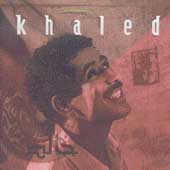
| フォーマット | CDアルバム |
| 発売日 | 1994年03月31日 |
| 国内/輸入 | 輸入 |
| レーベル | Cohiba |
| 構成数 | 1 |
| パッケージ仕様 | - |
| 規格品番 | 221101 |
| SKU | 016222110120 |
構成数 : 1枚
合計収録時間 : 00:48:58
Personnel: Cheb Khaled (vocals, accordion, keyboards, oud, bendir); Michael Brook (guitars, bass, percussion); Randy Jacobs (guitar, bass); Eric Fernandaz (guitar); Youssef Chebaan, Abderaseque Hilal (violin); David Coleman (electric cello, oud); Bill Bergman (tenor saxophone); Greg Smith (baritone saxophone); David McMurray (saxophone); John Berry (trumpet); Arnold Massart (piano, organ); Mustapha Kada, Benjamin Muhoberac (keyboards); Moshen Chentouf (bendir, derbouka); Don Was (bass, keyboards); Wily N'For (bass); Afid Saidi, James Pinker (drums); Djoum (percussion); Steve Deutsch (programming); Arnold McCuller, Sir Harry Bowens, "Sweet Pea" Atkinson (background vocals).
Recorded at I.C.P. Studios, Brussels, Belgium and MicroPlant, Los Angeles, California.
Personnel: Khaled (vocals, oud, accordion, keyboards, bendir); Michael Brook (guitar, percussion); Eric Fernandez, Alma de Noche, Randy Jacobs (guitar); David Coleman (oud, cello); David Daoud Coleman (oud, electric cello); Youssef Chebaan, Abderaseque Hilal (violin); Dave McMurray (saxophone); Bill Bergman (tenor saxophone); Greg Smith , Greg "Frosty" Smith (baritone saxophone); John Berry, Jr. (trumpet); Arnould Massart (piano, organ); Don Was, Benjamin Muhoberac, Mustapha Kada (keyboards); Afid Saidi, James Pinker (drums); DJ Oum (percussion); Steve Deutsch (programming); Arnold McCuller, Sir Harry Bowens, Sweet Pea Atkinson (background vocals).
Audio Mixers: Phil Delire; Michael Brook; Rik Pekkonen.
Recording information: Icp Studios, Brussels, Belgium; Microplant, Hollywood, CA; MicroPlant, L.A.
Photographer: Helene Guetary.
Dropping the "Cheb" from his name symbolizes the start of a new phase for Khaled, one that signaled his quest to expand beyond his rai roots or, more accurately, to add rai as another element in the global dancefloor mix. After his big production collaboration with fellow Algerian Safy Boutella on Kutche, he takes the plunge to directly court Western audiences by enlisting Don Was and Michael Brook to split the production duties.
The opening "Didi" sets the tone, with a catchy Arabic synth melody and punchy Algerian percussion rolling underneath a funky groove and a King Curtis/Clarence Clemons-flavored sax solo. "Mauvais Sang" starts with the classic Algerian vocal/keyboard intro and gets more complex as melodic motifs are woven in. But the rhythm is driven by keyboard bass blats and a drum machine, and the instrumental break features sax over thumb-pop funk bass and James Brown scratch-rhythm guitar before the final call and response between David McMurray's throaty R&B sax and Mustapha Kada's Arabic keyboards. To say that's a blueprint of what Khaled wants to accomplish here is true on one level, but ignores the range and variety of the material. Algerian homeboys Kada (keyboards) and Mohsein Chentouf (derbouka) are on every song and Khaled himself plays keyboards, accordion, oud, and bendir on the Brook-produced tracks. Reggae pops into the bubbling rhythm undercurrent on "Ragda"; "Sbabi" works violin against an atmospheric, Robert Fripp-like lead guitar over Khaled's voice and a funky, chunky groove. With its near-flamenco acoustic guitar and accordion, "Wahrane" has a French cafe feel, but "El Ghatli" and "Harai Harai" take it all the way home to Algerian tradition. "Ne M'en Voulez Pas" is sung in French, with more cafe accordion set against organ, bass solo, and clattering percussion, and winds up in a near-go-go beat. The song is too busy and never quite makes up its mind what it wants to be, but it's a unique, invigorating ride, which may be the best capsule summary for Khaled. Some artists are born to try this kind of cultural crossover, and in the context of rai, Khaled is both trailblazer and standard-bearer. ~ Don Snowden
録音 : ステレオ (Studio)
読み込み中にエラーが発生しました。
画面をリロードして、再読み込みしてください。