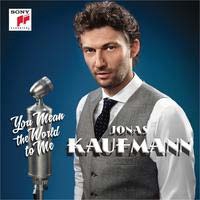
君は我が心のすべて~華麗なるオペレッタとヒット・ソングの世界21世紀の『キング・オブ・テノール』ヨナス・カウフマン、愛と享楽の「うた」の黄金時代を熱唱。
そのダークでロマンティックかつ強靭な歌声で今や世界中から引っ張りだこのスーパースター・テノール、ヨナス・カウフマン。ソニー・クラシカルへ移籍後3枚目となるその新録音は、1925年~35年にかけての10年間に、ドイツをはじめとするヨーロッパを席巻した黄金時代のオペレッタとポピュラー・ソング集です。
20世紀初頭、ベルリンやウィーンを席巻したレハールやカールマン作曲のオペレッタは、美しく親しみやすいメロディの歌やダンスで構成され、20世紀中葉からアメリカに輸入されて発達したミュージカルの原型ともいえるものです。またトーキー映画でも歌や音楽を伴った作品が数多く作られ、中には爆発的なヒットを飛ばしたものもでてきました。
リヒャルト・タウバー、ヨーゼフ・シュミット、ヤン・キープラといった当時の人気テノールによって歌われたこれらのオペレッタやヒット・ソングは、第2次大戦に突入する直前の音楽的・文化的に最も繁栄を誇ったドイツの黄金時代の華麗かつノスタルジックな気分を反映したもの。最近日本でも上演が相次いだコルンゴルトの歌劇「死の都」の最も有名なアリア「この身にとどまるしあわせよ」が含まれているのも同じ理由によるものといえるでしょう。当アルバムはそうした20世紀初頭の文化や芸術が爛熟した黄金時代へのカウフマンによるオマージュであり、そのフレキシブルかつ気迫のこもった熱唱が聴きものです。
2011年8月、ベルリンのヴァルトビューネで行われたガラ・コンサートでアンナ・ネトレプコやアーウィン・シュロットと共演した際にカウフマンの頭にひらめいたのがこのアルバムのコンセプトで、それ以来3年がかりで作品を調べ、2014年にようやく録音にこぎつけました。特にこだわったのは、後年の編曲ではなく、作曲者が構想したオリジナル通りに演奏することでした。
カウフマンのコンサートの定番アンコールである「君はわが世界」「歌は世界を巡る」も収録しています。
収録は、パーヴォ・ヤルヴィ指揮ドイツ・カンマーフィルのベートーヴェンやシューマンの交響曲全集の録音で知られるベルリンのフンクハウス・ナレーパシュトラッセで行われました。ここは旧東ドイツ時代の国営放送局の巨大な施設後で、その中にある音響効果の優れた大ホールで収録されています。収録曲のうち、3曲では、ソプラノのユリア・クライターと共演しています。
ソニー・ミュージック
発売・販売元 提供資料(2014/08/18)
After a fairly long period of relative obscurity, German tenor Jonas Kaufmann experienced a sharp rise in popularity once he hit his forties in 2009. Each of his albums outsold (or at least out-reached) the previous one, and he seems to have been deemed ready for the crossover treatment. Showing typical gravitas, Kaufmann avoided contemporary pop and even Broadway, reaching back to the world of German-language operetta between the world wars, and even including a few weighty serious opera numbers. The new audience hook consists of the album's dual release in German and English versions. The difference is partly a question of the title: the You Mean the World to Me version, including the title track, is still more than half in German. But, to answer the question that will be on everyone's mind, yes, Kaufmann can handle the English language, and he still sounds gorgeous. There is a consciousness that it is not his own, but no more than that, and it can be forgotten at times. In fact, part of what makes the English version work is not any particular amount of woodshedding on Kaufmann's part, but the intelligence of the program, which reflects a music balanced between the Germanic and American worlds. He does Franz Lehar's Girls Were Made to Love and Kiss not simply because he wants to cross over to Anglophone popular audiences, but because understanding that work requires addressing the fact that it became very popular indeed with its English text. Figures like Richard Tauber were household names for some, and it may be that Kaufmann's fine release will be seen as a forerunner of this extravagantly romantic tradition. ~ James Manheim
Rovi
After a fairly long period of relative obscurity, German tenor Jonas Kaufmann experienced a sharp rise in popularity once he hit his forties in 2009. Each of his albums outsold (or at least out-reached) the previous one, and he seems to have been deemed ready for the crossover treatment. Showing typical gravitas, Kaufmann avoided contemporary pop and even Broadway, reaching back to the world of German-language operetta between the world wars, and even including a few weighty serious opera numbers. The new audience hook consists of the album's dual release in German and English versions. The difference is partly a question of the title: the You Mean the World to Me version, including the title track, is still more than half in German. But, to answer the question that will be on everyone's mind, yes, Kaufmann can handle the English language, and he still sounds gorgeous. There is a consciousness that it is not his own, but no more than that, and it can be forgotten at times. In fact, part of what makes the English version work is not any particular amount of woodshedding on Kaufmann's part, but the intelligence of the program, which reflects a music balanced between the Germanic and American worlds. He does Franz Lehar's Girls Were Made to Love and Kiss not simply because he wants to cross over to Anglophone popular audiences, but because understanding that work requires addressing the fact that it became very popular indeed with its English text. Figures like Richard Tauber were household names for some, and it may be that Kaufmann's fine release will be seen as a forerunner of this extravagantly romantic tradition.
Rovi