販売価格
販売中
お取り寄せお取り寄せの商品となります
入荷の見込みがないことが確認された場合や、ご注文後40日前後を経過しても入荷がない場合は、取り寄せ手配を終了し、この商品をキャンセルとさせていただきます。
| フォーマット | CDアルバム |
| 発売日 | 2014年06月27日 |
| 国内/輸入 | 輸入 |
| レーベル | Not Now Music |
| 構成数 | 2 |
| パッケージ仕様 | - |
| 規格品番 | NOT2CD539 |
| SKU | 5060143495397 |
構成数 : 2枚
合計収録時間 : 00:00:00
Personnel includes: Ray Charles (vocals, piano); David "Fathead" Newman (saxophone).
Enginners include: Gene Thompson, Bill Putnam, Johnny Cue.
Recorded in 1962-1963 at Capitol Studios, New York, New York; United Recording Studios, Hollywood, California; RPM International Studios, Los Angeles, California. Includes liner notes by Todd Everett.
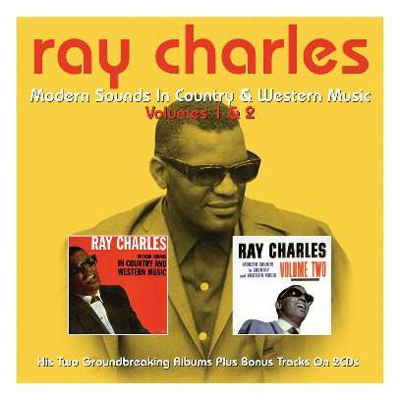
When Ray Charles made Modern Sounds in Country and Western Music in 1962, he was operating from a position of power. Two years into his contract with ABC-Paramount, he had already become a fixture in the Top Ten with both his singles and his albums, winning a Grammy for his 1960 single "Georgia on My Mind." Charles had freedom to do whatever he wanted, and he chose to record interpretations of 12 country songs, drawing almost equally from recent hits and older standards. The sly virtuosity within Charles' approach was to treat these tunes as a a songbook to be reinvented, not as songs that were tied to their rural roots. Later, Charles explained that he saw little difference between a country tune and a blues song -- they draw from the same emotions and musical traditions -- but the striking thing about his interpretations on Modern Sounds in Country and Western is that he's not concentrating on the earthier elements of either genre. He's fully focused on playing these songs as he'd play any other, grounding them in jazz and soul, then dressing them in arrangements designed to snag a crossover audience. To latter-day generations, those arrangements -- thick with strings and backing vocals -- may sound slightly schlocky, yet even in 1962 they were a sign of how Charles was as intent on appealing to a mainstream easy listening demographic as he was to his soul and jazz audience. That's the brilliance of the project: it is thoroughly American pop music, blending seemingly disparate elements in a fashion that seems simultaneously universal and idiosyncratic.
Audiences quickly embraced Modern Sounds in Country Music, which lead Charles and producer Sid Feller to record a sequel immediately, rushing it onto the marketplace of October 1962, just six months after the first hit the stars. Time has eroded the differences between the two LPs, and perhaps inevitably so: the two share the same sensibility and arrangers, with the difference being the second volume separates the big band tunes on one side, with the strings and choirs on the other. It's a notable distinction, but the main difference between the two albums is that the first volume retains a sense of discovery, whereas the second is made with the confidence that this particular formula works. In either case, the two albums -- whether heard individually or as a pair, as they so often are -- aren't so much complements but of a piece, music that changed the course of popular music and remains a testament to the genius of Ray Charles. ~ Stephen Thomas Erlewine
読み込み中にエラーが発生しました。
画面をリロードして、再読み込みしてください。