Jazz
CDアルバム

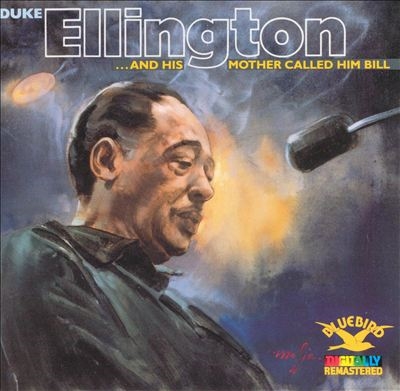
And His Mother Called Him Bill

0.0

販売価格

¥
1,859
税込
ポイント15%還元

廃盤

在庫状況 について

フォーマット CDアルバム
発売日 1992年05月13日
国内/輸入 輸入
レーベルRCA Bluebird
構成数 1
パッケージ仕様 -
規格品番 63744
SKU 078635628722

構成数 : 1枚
合計収録時間 : 01:01:18

  1. 1.[CDアルバム]
    1. 1.
      Boo-Dah

      アーティスト: Duke Ellington

    2. 2.
      U.M.M.G. (Upper Manhattan Medical Group)

      アーティスト: Duke Ellington

    3. 3.
      Blood Count

      アーティスト: Duke Ellington

    4. 4.
      Smada

      アーティスト: Duke Ellington

    5. 5.
      Rock Skippin' at the Blue Note

      アーティスト: Duke Ellington

    6. 6.
      Rain Check

      アーティスト: Duke Ellington

    7. 7.
      Midriff

      アーティスト: Duke Ellington

    8. 8.
      My Little Brown Book

      アーティスト: Duke Ellington

    9. 9.
      Lotus Blossom

      アーティスト: Duke Ellington

    10. 10.
      Snibor

      アーティスト: Duke Ellington

    11. 11.
      After All

      アーティスト: Duke Ellington

    12. 12.
      All Day Long

      アーティスト: Duke Ellington

    13. 13.
      Lotus Blossom

      アーティスト: Duke Ellington

    14. 14.
      Day Dream

      アーティスト: Duke Ellington

    15. 15.
      The Intimacy of the Blues

      アーティスト: Duke Ellington

    16. 16.
      Charpoy

      アーティスト: Duke Ellington

作品の情報

メイン
アーティスト: Duke Ellington

その他
アーティスト: Johnny Hodges; Harry Carney
プロデューサー: Brad McCuen

商品の紹介

When Billy Strayhorn died of cancer in 1967, Duke Ellington was devastated. His closest friend and arranger had left his life full of music and memories. As a tribute, Ellington and his orchestra almost immediately began recording a tribute to Strayhorn, using the late arranger's own compositions and charts. The album features well-known and previously unrecorded Strayhorn tunes that showcased his range, versatility, and, above all, the quality that Ellington admired him most for: his sensitivity to all of the timbral, tonal, and color possibilities an orchestra could bring to a piece of music. The set opens with a vehicle for Johnny Hodges called "Snibor," written in 1949. A loose blues tune, its intervals showcase Hodges against a stinging I-IV-V backdrop and turnaround, with a sweeping set of colors in the brass section before Cootie Williams takes a break and hands it back to Hodges to take out. The melancholy "Blood Count" was written in 1967 for the band's Carnegie Hall concert. It proved to be his final composition and chart. Hodges again gets the call and blows deep, low, and full of sadness and even anger. The music is moody, poignant, and full of poise, expressing a wide range of feelings as memories from different periods in the composers' and bandleaders' collective careers. Given all the works Strayhorn composed, this one -- with its muted trumpet section set in fours against Hodges' blues wailing -- is both wistful and chilling. Also included here is a remake of 1951's "Rock Skippin' at the Blue Note," in a spicy, funky version with a shimmering cymbal ride from Sam Woodyard and a punched up, bleating Cootie Williams solo as well as one from Jimmy Hamilton on clarinet, smoothing out the harmonic edges of the brass section (which features a ringing break from John Sanders). In cut time, the tune shuffles in the groove with Ellington accenting on every eight as the brass and reeds mix it up joyously. There are two versions of "Lotus Blossom." Ellington claimed it was the piece Strayhorn most liked to hear him play. The LP version is a quiet, restrained, meditative rendition played solo by Ellington, with the most subtle and yet emotional nuances he ever presented on a recording as a pianist. Finally, closing the album is a bonus track, a trio version played in a whispering tone with only baritone saxophonist Harry Carney and bassist Aaron Bell accompanying Ellington. The piece was supposedly recorded as the band was packing up to leave. Its informality and soulful verve feel like they are an afterthought, an unwillingness to completely let go, a eulogy whose final words are questions, elegantly stated and met with only the echo of their last vibrations ringing in an empty room, full of wondering, longing, and helplessness, but above all the point of the questions themselves: "Is this enough?" or "Can there ever be enough to pay an adequate tribute to this man?" They are interesting questions, because only five years later we would all be saying the same thing about Ellington. For a man who issued well over 300 albums, this set is among his most profoundly felt and very finest recorded moments. ~ Thom Jurek
Rovi

メンバーズレビュー

レビューを書いてみませんか?

読み込み中にエラーが発生しました。

画面をリロードして、再読み込みしてください。