Jazz
CDアルバム

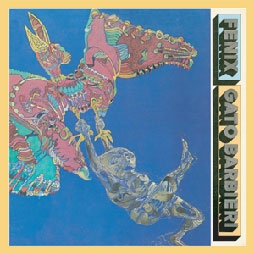
Fenix

0.0

販売価格

¥
1,890
税込
還元ポイント

販売中

お取り寄せ
発送目安
7日~21日

お取り寄せの商品となります

入荷の見込みがないことが確認された場合や、ご注文後40日前後を経過しても入荷がない場合は、取り寄せ手配を終了し、この商品をキャンセルとさせていただきます。

フォーマット CDアルバム
発売日 2013年09月30日
国内/輸入 輸入
レーベルBGP (Beat Goes Public)
構成数 1
パッケージ仕様 -
規格品番 CDBGPM268
SKU 029667526821

構成数 : 1枚
合計収録時間 : 00:00:00

  1. 1.[CDアルバム]
    1. 1.
      Tupac Amaru

      アーティスト: Gato Barbieri

    2. 2.
      Carnavalito

      アーティスト: Gato Barbieri

    3. 3.
      Falsa Bahiana

      アーティスト: Gato Barbieri

    4. 4.
      El Dia Que Me Quieras

      アーティスト: Gato Barbieri

    5. 5.
      El Arriero

      アーティスト: Gato Barbieri

    6. 6.
      Bahia

      アーティスト: Gato Barbieri

作品の情報

メイン
アーティスト: Gato Barbieri

オリジナル発売日:1971年

商品の紹介

Some artists totally change directions; some reinvent their personalities. It is hard to know exactly what to make of the case of this Argentinian tenor saxophonist, who first appeared as a sideman on several extremely important Don Cherry projects, making such an essential contribution to the overall feel of these records that listeners expected great things. After a few attempts at finding a meeting place between the energy and harshness of free jazz and the his own rhythmic roots, he created this album in which everything seemed to come together perfectly. If a judgement is to be made based on Barbieri's overall career, then a lot of credit would be given to his accompanying musicians here, who are strictly the cream of the crop. A horn player certainly couldn't complain about a rhythm section featuring bassist Ron Carter, drummer Lenny White, and pianist Lonnie Liston Smith, the last fresh out of the band of Pharoah Sanders, where he had established himself as the absolute king of modal, vaguely Latin or African sounding vamps. Smith was able to fit right in here, and he of course knew just what to do when the saxophonist went into his screaming fits, because he surely had plenty of practice with this kind of stuff playing with Sanders. The leader adds a nice touch of ethnic percussion with some congas and bongos and Na Na on berimbau; in fact, this was the first time many American listeners heard this instrument. From here, Barbieri continued to build, reaching a height with a series of collaborations with Latin American musicians playing traditional instruments. He would then switch gears, tone down the energy, and become kind of a romantic image with a saxophone in his mouth, producing music that brought on insults from reviewers, many of whom would have bit their tongues if they'd known much worse sax playing was to come via later artists such as Kenny G. But at this point in 1971, well before the Muppets would create a caricature out of him, Barbieri was absolutely smoking, and for a certain style of rhythmic free jazz, this is a captivating album indeed. ~ Eugene Chadbourne|
Rovi

Some artists totally change directions; some reinvent their personalities. It is hard to know exactly what to make of the case of this Argentinian tenor saxophonist, who first appeared as a sideman on several extremely important Don Cherry projects, making such an essential contribution to the overall feel of these records that listeners expected great things. After a few attempts at finding a meeting place between the energy and harshness of free jazz and the his own rhythmic roots, he created this album in which everything seemed to come together perfectly. If a judgement is to be made based on Barbieri's overall career, then a lot of credit would be given to his accompanying musicians here, who are strictly the cream of the crop. A horn player certainly couldn't complain about a rhythm section featuring bassist Ron Carter, drummer Lenny White, and pianist Lonnie Liston Smith, the last fresh out of the band of Pharoah Sanders, where he had established himself as the absolute king of modal, vaguely Latin or African sounding vamps. Smith was able to fit right in here, and he of course knew just what to do when the saxophonist went into his screaming fits, because he surely had plenty of practice with this kind of stuff playing with Sanders. The leader adds a nice touch of ethnic percussion with some congas and bongos and Na Na on berimbau; in fact, this was the first time many American listeners heard this instrument. From here, Barbieri continued to build, reaching a height with a series of collaborations with Latin American musicians playing traditional instruments. He would then switch gears, tone down the energy, and become kind of a romantic image with a saxophone in his mouth, producing music that brought on insults from reviewers, many of whom would have bit their tongues if they'd known much worse sax playing was to come via later artists such as Kenny G. But at this point in 1971, well before the Muppets would create a caricature out of him, Barbieri was absolutely smoking, and for a certain style of rhythmic free jazz, this is a captivating album indeed. ~ Eugene Chadbourne
Rovi

メンバーズレビュー

レビューを書いてみませんか?

読み込み中にエラーが発生しました。

画面をリロードして、再読み込みしてください。