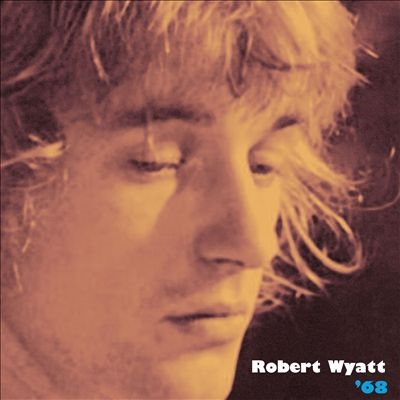
Canterburyシーンを超えて、現在第一線で活躍するミュージシャン達に多大な影響を与える時代を超えた真の"アーティスト"、最初期SOFT MACHINEの崩壊期にあたる60年代末期に録音された幻のDemo音源が奇跡'13年発掘コンピ盤として登場!!
'68年デビュー作『SOFT MACHINE』発表/北米ツアー後に解体したSOFT MACHINEのメンバーのうち、唯一米国に滞在したRobert Wyattが当地の関係者の協力のもと当時制作した幻の同年Demo音源を収録。過去に'Slow Walkin' Talk''Moon In June'は関連コンピ盤に収録されていたものの既に入手困難な上、本作に収録されるまでは御本人をして"もう存在しない"と言わしめた今回初出となる二曲の完全未発表音源を収録。共にそれぞれMATCHING MOLEの'72年デビュー作収録曲'Signed Curtain'/'69年作『VOLUME 2』収録同名組曲の元となったという衝撃度の高さに加え、既に'69年収録ver.の長さを持ち、かつほぼ完成形を成している'Rivmic Melodies'はファン驚愕の内容!!勿論あの故Jimi Hendrixがbを担当した'Slow Walkin' Talk'/故Hugh Hopper(b)、Mike Ratledge(organ)を迎え後の完成版の原型にまで発展した'Moon In June'も長らく聴けなかっただけに、コンピ盤を買い逃していたファンには有り難いもの、全編を通じてSOFT MACHINE及びWyatt御本人の作曲/アイディアの成り立ちが伺える優れもの発掘音源です!!ブックレットにはJImi Hendrixとのポートレイトを含む当時の貴重写真及び本人の証言を基にした新規解説を掲載。
発売・販売元 提供資料(2023/05/30)
Cuneiform has delivered a Holy Grail with Robert Wyatt's '68. Of its four recordings, half were thought lost or not to have existed. After their second whirlwind tour of the U.S.A. with the Jimi Hendrix Experience, the exhausted members of Soft Machine went their separate ways. Wyatt remained in California, then went to New York in the fall as a guest of the Experience. He was granted access to the TTG and Record Plant studios in off hours. Wyatt sang and played drums, piano, organ, and even bass, save for on "Slow Walkin' Talk" -- more on that below. There are two long suites here. First is the fragmental, nearly 20-minute loose collection of songs "Rivmic Melodies," which ended up becoming the blueprint for the first side of Soft Machine's second album (with Hugh Hopper replacing Kevin Ayers). It would obviously be tightened and rearranged somewhat, but included here are some wonderful extended elaborations in the "Alphabet" section, and to a lesser degree in the "Dada Was Here" portion. There are lovely vocal overdubs as Wyatt twins his voice, then interacts with it while singing in Spanish amid his inventive chordal piano constructions. Though it does feel like a work in the process of discovery, it holds few rough edges. A demo of half of the iconic "Moon in June," which accounted for Wyatt's side of Third, was recorded during this period; the latter half was cut in England in 1969, with Hopper and Mike Ratledge entering near the halfway mark, exploding the demo with careening improvisation. The demo of "Moon in June" -- which appeared with inferior fidelity on Cuneiform's 2002 Soft Machine archival set Backwards and is sonically improved here -- balances long-form rock dynamics against Wyatt's jazz leanings, incorporating them in carefree exploration. As such, songwriting, arrangement, and improvisation form an equilateral triangle that fully reveals the band's massive potential. Opener "Chelsa," a recently discovered acetate, commences as a midtempo organ-driven rocker with a basic drum track. The lyrics, composed by Daevid Allen, adorn Wyatt's lovely baroque psych-pop melody. In 1975, it would be rearranged, get new words, and end up as "Signed Curtain" on Matching Mole's debut album. "Slow Walkin' Talk," by Brian Hopper, is a jazzed-up, Mose Allison-inspired bumping piano blues from Wyatt's early Wilde Flowers days. While recording, Hendrix stepped into the studio to inquire as to whether Wyatt might like him to record a bass part that he needn't feel obligated to use. Jimi nailed it in one take, changing the track's dynamic almost entirely. The sound on '68 is excellent; it was painstakingly cleaned up and remastered from original sources, making this a must for any Wyatt, SM, or prog head. The booklet also contains a lengthy interview with Wyatt by Aymeric Leroy with comments from Hopper. All killer, no filler. ~ Thom Jurek
Rovi