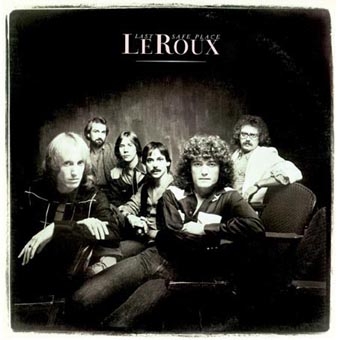
キーボード入りアメリカンAORハード/産業ロック・バンド。元々LOUISIANA'S LE ROUXのバンド名でサザン・ロック・テイストのアルバム2枚をリリースしていたが、バンド名をLE ROUXに変えて80年にリリースされた名作「UP」により洗練されたハード・ポップ・サウンドを提示。そしてその流れを汲んだサウンドを聴かせるのが本作である82年発表4thアルバム(LE ROUX名義では2ndアルバム)。「UP」で開花したJeff Pollardのメロディ・センスが前作同様反映され、TOTOにも通じる極上のサウンドを聴かせる。「UP」よりも楽曲の出来は上を行くのでは? とまでも思わせる充実した内容を誇る。デジタル・リマスター再発盤。
発売・販売元 提供資料(2013/03/27)
On the heels of 1980's Up, Le Roux began changing their bombastic arena rock style to an unquestionably kinder and gentler brand of pop-oriented fare. Released in 1981, Last Safe Place was the sextet's first of two albums on RCA and the final one to feature the original personnel of Bobby Campo (trumpet, flugelhorn, flute, congas, percussion, vocals), Tony Haselden (electric guitar, vocals), Leon Medica (bass), David Peters (drums/percussion), Jeff Pollard (electric and acoustic guitars, lead vocals), and Rod Roddy (Rhodes electric piano, acoustic piano, clavinet, Oberheim synthesizer, vocals). Likewise less pronounced from their earlier efforts is the fusion of Creole-influenced R&B. "Addicted" could have been a holdout from Up, with a pulsating tempo driving through the heart of the opener. "It Doesn't Matter" stands out and the MOR-meets-jazz arrangement recalls earlier tunes, such as "Get It Right the First Time" and "Back Slider." Le Roux scored their incipient Top 20 pop entry with "Nobody Said It Was Easy" (aka "Lookin' for the Lights") -- which made it to a respectable number 18 in March of 1982. The delicate and involved melody and the band's sublime vocal blend hark back to their signature side, "New Orleans Ladies," from their 1978 self-titled debut, when they were known as Louisiana's Le Roux. "Last Safe Place on Earth" is a definite harbinger of Le Roux's future, as Roddy's antiquated keyboard runs helplessly date the song to the synth-crazy 1980s. "Inspiration" follows with a notable nod to the same adult contemporary emphasis as "Nobody Said It Was Easy," the carefree "Midnight Summer Dream," and the prototypical power ballad "Make Believe." "You Know How Those Boys Are" returns to a meatier sound, and is contextually along the lines of "I Know Trouble When I See It" from Up -- each recounting respective tales from the road, or more aptly, backstage. Exceedingly better is the remake of Buffalo Springfield's "Rock & Roll Woman," with the combo's harmonies getting another sizable workout. Pollard and Campo exited Le Roux after Last Safe Place, and brought aboard as their replacements were Fergie Frederiksen (vocals) and Jim Odom (guitar, vocals), both of whom would be in place for 1982's So Fired Up. ~ Lindsay Planer
Rovi