Rock/Pop
LPレコード

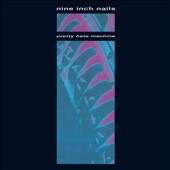
Pretty Hate Machine

0.0

販売価格

¥
2,690
税込
還元ポイント

販売中

在庫あり
発送目安
当日~翌日

在庫状況 について

・各種前払い決済は、お支払い確認後の発送となります(Q&A)

フォーマット LPレコード
発売日 2011年07月12日
国内/輸入 輸入
レーベルUMGD / Null Corporation
構成数 1
パッケージ仕様 -
規格品番 1576701
SKU 602527749921

構成数 : 1枚
合計収録時間 : 00:48:35
録音 : ステレオ (Studio)

  1. 1.[LPレコード]
    1. 1.
      Head Like a Hole
    2. 2.
      Terrible Lie
    3. 3.
      Down In It
    4. 4.
      Sanctiified
    5. 5.
      Something I Can Never Have
    6. 6.
      Kinda I Want To
    7. 7.
      Sin
    8. 8.
      That's What I Get
    9. 9.
      The Only Time
    10. 10.
      Ringfinger

作品の情報

メイン
アーティスト: Nine Inch Nails

オリジナル発売日:1989年

商品の紹介

Virtually ignored upon its 1989 release, Pretty Hate Machine gradually became a word-of-mouth cult favorite; despite frequent critical bashings, its stature and historical importance only grew in hindsight. In addition to its stealthy rise to prominence, part of the album's legend was that budding auteur Trent Reznor took advantage of his low-level job at a Cleveland studio to begin recording it. Reznor had a background in synth-pop, and the vast majority of Pretty Hate Machine was electronic. Synths voiced all the main riffs, driven by pounding drum machines; distorted guitars were an important textural element, but not the primary focus. Pretty Hate Machine was something unique in industrial music -- certainly no one else was attempting the balladry of "Something I Can Never Have," but the crucial difference was even simpler. Instead of numbing the listener with mechanical repetition, Pretty Hate Machine's bleak electronics were subordinate to catchy riffs and verse-chorus song structures, which was why it built such a rabid following with so little publicity. That innovation was the most important step in bringing industrial music to a wide audience, as proven by the frequency with which late-'90s alternative metal bands copied NIN's interwoven guitar/synth textures. It was a new soundtrack for adolescent angst -- noisily aggressive and coldly detached, tied together by a dominant personality. Reznor's tortured confusion and self-obsession gave industrial music a human voice, a point of connection. His lyrics were filled with betrayal, whether by lovers, society, or God; it was essentially the sound of childhood illusions shattering, and Reznor was not taking it lying down. Plus, the absolute dichotomies in his world -- there was either purity and perfection, or depravity and worthlessness -- made for smashing melodrama. Perhaps the greatest achievement of Pretty Hate Machine was that it brought emotional extravagance to a genre whose main theme had nearly always been dehumanization. ~ Steve Huey
Rovi

メンバーズレビュー

レビューを書いてみませんか?

読み込み中にエラーが発生しました。

画面をリロードして、再読み込みしてください。