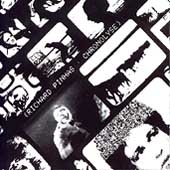
販売価格
販売中
お取り寄せお取り寄せの商品となります
入荷の見込みがないことが確認された場合や、ご注文後40日前後を経過しても入荷がない場合は、取り寄せ手配を終了し、この商品をキャンセルとさせていただきます。
| フォーマット | CDアルバム |
| 発売日 | 1995年03月29日 |
| 国内/輸入 | 輸入 |
| レーベル | Cuneiform Records |
| 構成数 | 1 |
| パッケージ仕様 | - |
| 規格品番 | 30 |
| SKU | 045775003023 |
構成数 : 1枚
合計収録時間 : 00:52:45
Personnel: Richard Pinhas (guitar, Mellotron, synthesizer, ARP synthesizer, electronics); Francois Auger (drums, percussion).
Recording information: Davout Studios (01/1976-06/1976); Heldon & Davout Studios (01/1976-06/1976); Heldon Studios (01/1976-06/1976).
Illustrator: Paula Millet.
Pinhas was inspired not only by other musicians and composers, but also by various types of literature, in particular science fiction. He had a special fondness for Philip Dick and Frank Herbert, and Chronolyse pays homage to Herbert's famous Dune with titles such as "Surle Theme de Bene Gesserit" and "Paul Atreides." In spite of the common literary thread, this is a very schizophrenic release, almost equally divided between short solo pieces, recorded live on moog synthesizer by Pinhas, and a long, dense space jam with Pinhas on guitars, mellotron and A.R.P. synthesizer, accompanied by Didier Batard on bass and Francois Auger on drums. Of the two styles, the group effort ("Paul Atreides") will probably be more rewarding for most listeners. Starting very slowly with a free-form display of desolate industrial drones and science-lab electronic effects, Pinhas eventually adds some searing, haunted feedback guitar in the style of Fripp, accompanied by the slow, rhythmic throb of Batard's bass. Seven or eight minutes into the piece, Auger's drums solidify the slow, grinding blues beat that prevails for the next 20 minutes, while Pinhas continues to wail and squeal on both guitars and synthesizers, bending and smearing notes and creating a thick, hypnotic blanket of sound. This piece is both forward- and backward-looking, as it makes use of new electronic resources but also hearkens back not only to prog-rockers such as King Crimson and Yes, but also to the psychedelic '60s, with a touch of Hendrix, Robin Trower and other guitar warriors. The solo pieces, on the other hand, are stark and unadorned keyboard studies for synthesizer. In interviews, Pinhas has identified Philip Glass as an early influence, and these pieces often suggest the minimalism of Glass or perhaps Terry Riley. From a later vantage point they are pleasant enough, but rather imitative, and with less of the magic created by Glass' propulsive energy or Riley's trance-like repetition. ~ Bill Tilland
録音 : ステレオ (Studio)
読み込み中にエラーが発生しました。
画面をリロードして、再読み込みしてください。