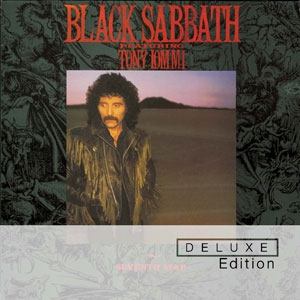
ブラック・サバスの12thアルバム、リマスター・デラックス・エディション!
2010年にリリースされたリマスター・デラックス・エディション・シリーズ!
トニー・アイオミ(G)以外のメンバーが全員脱退し、元ディープ・パープルのグレン・ヒューズをヴォーカリストとして迎えた12thアルバム。(1986年作品)本作はブラック・サバス・フィーチャリング・トニー・アイオミ名義でリリースされた。
全英27位/全米78位
代表曲「No Stranger To Love」収録
・2009年リマスター音源
・ボーナストラック収録
・ボーナスディスクには86年6月に英ロンドン・ハマースミス・オデオンで行われたライヴ音源を収録
発売・販売元 提供資料(2014/08/11)
1986年リリースの本作は、Black Sabbathの作品の中でもしばしば誤解され、過小評価されている作品の1つ。バンドの作品と言うより、ギタリストのTonyのソロ・プロジェクトとして捉えられる傾向があるのも否めない。レコード会社からのプレッシャー、ブルースをベースにした楽曲、ヴォーカリストのGrenn Hughesの影響など様々な要因のせいか、Black Sabbathらしくないアルバムとも言われている。バンドのキャリアでもターニング・ポイントを迎えたのもこの時期である。このデラックス・エディションは、Disc 1に「No Stranger To Love」のUS Remixを追加収録。またDisc 2には1986年6月にロンドンのHammersmith Odeonでのライヴ音源を初CD収録。Glenn Hughesが病気でツアー続行不可能となった為、リード・ヴォーカルは急遽ツアー最終日まで代役を務めたアメリカの無名のシンガー、Ray Gillenが担当。
発売・販売元 提供資料(2010/10/04)
An often misunderstood and underrated album, 1986's Seventh Star was never intended to be a Black Sabbath release, as the band had effectively broken up following its disastrous 1984 tour in support of career low point Born Again. Instead, Seventh Star was conceived as guitarist Tony Iommi's first solo project, and it was only record company pressure that forced him to resurrect his longtime band's moniker at the last minute. With this in mind, one can better appreciate both the record's more blues-based, often un-Sabbath-like songwriting and the contributions made by journeyman singer Glenn Hughes (ex-Trapeze, Deep Purple, etc.), whose incredibly emotive and soulful vocal style was completely at odds with the deadpan delivery of Sabbath's most recognizable singer, Ozzy Osbourne (a discrepancy that would spell his quick exit when the necessary classics were wheeled out for the ensuing world tour). Still, within the unique circumstances of Seventh Star's creation, Hughes' fiery tunefulness made aggressive hard rockers like "In for the Kill," "Turn to Stone," and "Danger Zone" uncommonly catchy, and gorgeous ballads such as "Angry Heart/In Memory..." and "No Stranger to Love" all the more heart-rending. Tellingly, his efforts fell resoundingly flat on the bluesy aimlessness of "Heart Like a Wheel" and the gothic menace of the title track, making it possible for keener observers to foresee the troubles ahead. Yet, in light of the even more traumatic difficulties that preceded it, Seventh Star -- for all its uncharacteristic sonic qualities -- actually represents the turning of a corner for Black Sabbath's lengthy career, which steadily regained momentum in the years that followed. ~ Eduardo Rivadavia
Rovi