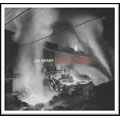
Rock/Pop
CDアルバム

Blood From Stars

0.0

販売価格

¥
2,690
税込
還元ポイント

在庫状況 について

フォーマット CDアルバム
発売日 2009年08月18日
国内/輸入 輸入(アメリカ盤)
レーベルAnti/Epitaph
構成数 1
パッケージ仕様 -
規格品番 870262
SKU 045778702626

構成数 : 1枚
合計収録時間 : 00:57:08
録音 : ステレオ (Studio)

  1. 1.[CDアルバム]
    1. 1.
      Prelude: Light No Lamp When the Sun Comes Down

      アーティスト: Joe Henry

    2. 2.
      Man I Keep Hid, The

      アーティスト: Joe Henry

    3. 3.
      Channel

      アーティスト: Joe Henry

    4. 4.
      This Is My Favorite Cage

      アーティスト: Joe Henry

    5. 5.
      Death to the Storm

      アーティスト: Joe Henry

    6. 6.
      All Blues Hail Mary

      アーティスト: Joe Henry

    7. 7.
      Bellwether

      アーティスト: Joe Henry

    8. 8.
      Progress of Love

      アーティスト: Joe Henry

    9. 9.
      Over Her Shoulder

      アーティスト: Joe Henry

    10. 10.
      Suit on a Frame

      アーティスト: Joe Henry

    11. 11.
      Truce

      アーティスト: Joe Henry

    12. 12.
      Stars

      アーティスト: Joe Henry

    13. 13.
      Coda: Light No Lamp When the Sun Comes Down

      アーティスト: Joe Henry

作品の情報

メイン
アーティスト: Joe Henry

その他
エンジニア: Kevin Killen; Ryan Freeland
プロデューサー: Joe Henry

オリジナル発売日:2009年

商品の紹介

稀代のSSW/グラミー賞プロデューサーが挑むブルース・アルバム!アーティストとして20年以上のキャリアを誇り、プロデューサー/ソングライターとしても、エルヴィス・コステロ、エイミー・マン、マドンナらのプロデュースを手がける才能あふれるミュージシャン、ジョー・ヘンリー。ロック、カントリー、フォーク、果てはトリップ・ホップ、ジャズ、ソウルまで、幅広いスタイルを自在に操るジョー・ヘンリーだが、近年2作のプロデュース・ワークであるアラン・トゥーサン、ランブリン・ジャック・エリオットに影響され、11枚目でなんと新機軸のブルースに挑戦!"都会的"、"洗練"といった彼のトレードマークを捨て、本人も「もっと感情がストレートに伝わる、荒削りで、未完成な良さがある作品」と称する作品が完成した。
タワーレコード

Blood from Stars is the album Joe Henry's been getting at since Scar. He's worked with jazz musicians often, but he's never made a record that employs the form so prominently. His band includes Marc Ribot, Patrick Warren, Jay Bellerose, David Pilch, and now his son Levon on saxophones and clarinet, as well as vibist Keefus Ciancia. Engineer Ryan Freeland is as important as the players: he managed to give this record its strange yet welcoming sound. It begins with the short "Prelude," played by Jason Moran. It introduces all the characters here, with a note or two here, a chord flourish there. Some are immediately identifiable; others you've never met before and perhaps hope never to. Henry's love of traditional jazz has blossomed -- the album sprawls over history, genre, and song forms, but there is no consciously retro aspect in its presentation and it is not a jazz album. Many of these songs are based on the blues (and even folk-blues); some are standards-style pop; some walk out the jazz of New Orleans, St. Louis, and Kansas City from the early 20th century; some even rock -- a little. Many are dressed in horn arrangements and offbeat sounds that seem to enter in from the rafters. They drift in and out and are allowed to play a part in the songs. Who cannot relate to the swinging blues (a la "St. James Infirmary") led by piano, upright bass, acoustic guitar, and a minimal trap kit? The music seems to come from antiquity in "The Man I Keep Hid," but Henry's voice is right firmly in the historical present: his protagonist voices his desires and how they are thwarted -- usually by himself -- as horns, organs, piano, and rhythm section swell and offer the chaos just under the surface of the singer's voice. "Channel" follows it, a love song about disorder that is played as anything but. Henry's character asks simple questions that offer significant difficulties in his inner world, but he embraces them: "I want my story straight/But all the others bend/From wondrous to strange/To beauty at the end...." It's a haunting melody that would be -- if we had them anymore -- a parlor song. Both songs reflect something lost and hidden in the wires and satellites of modern life: that individuals -- no matter how lost, determined, angry, displaced, hopeful, or praying for redemption at any cost -- still have human voices that speak, at least on the inside, constantly. Musical traditions bend and blend into and through one another and are painted by the sounds Freeland allowed to enter from the ghosts in the walls, the ceilings, or up from the floorboards. "Death to the Storm" reveals this better than just about any track here, a simple blues with Ribot's electric guitar weaving through Henry's lines and phrases about characters -- including the protagonist, who could have come from Steinbeck, Dos Passos, or O'Connor. "Bellwether" -- another early 20th century jazz-blues -- is a modern tale of Sisyphus. He's climbing a hill, digging a well, changing his name, leaving his shame, etc., until the story gets better. Ultimately, Blood from Stars is the most sophisticated, redemptive, and romantic album Henry's cut; the love songs are simply raggedly breathtaking. It reflects an America that wasn't so much lost as consciously wiped away near the end of the 20th century. Its remnants still live, however, in the shadows of memory, and in the broken-hearted ghosts that continue to haunt its landscape and atmosphere, and sometimes even its people. Henry welcomes them, lending his voice to theirs in of all these songs. ~ Thom Jurek
Rovi

USルーツ・ミュージックのあらゆる要素を包摂した芳醇なサウンド、文学性の高い歌詞、洗練と素朴がせめぎ合う味わい深いヴォーカル──プロデュース業に多忙な日々を送りながら、こんなにも素晴らしい新作を作っていたとは本当に驚きだ。ロックやカントリー、ブルースにジャズ、エレクトロニカなどジャンルの枠組を軽々と超越した音世界。ボブ・ディランやザ・バンド、あるいはトム・ウェイツの傑作と比べても遜色がない!
bounce (C)鈴木智彦
タワーレコード(vol.313(2009年08月25日発行号)掲載)

メンバーズレビュー

レビューを書いてみませんか?

読み込み中にエラーが発生しました。

画面をリロードして、再読み込みしてください。