Rock/Pop
CDアルバム

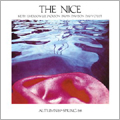
Autumn '67 & Spring '68

0.0

販売価格

¥
2,519
税込
還元ポイント

廃盤

在庫状況 について

フォーマット CDアルバム
発売日 2009年07月27日
国内/輸入 輸入(ヨーロッパ盤)
レーベルVirgin UK
構成数 1
パッケージ仕様 -
規格品番 X6931482
SKU 5099969314827

構成数 : 1枚
合計収録時間 : 00:00:00
Originally, this collection was put together in 1972 by Tony Stratton-Smith from outtakes of the Nice's early stay at Immediate Records, and issued (at least, in the U.S.) with no explanation and little annotation, making it a bit confusing to longtime fans of Keith Emerson and the trio. Its timing was also unfortunate, in that a huge cache of record club copies of the Nice's first three albums on Immediate, pressed by Columbia Special Products, had shown up in cut-out bins at just about the same time. One had to listen closely to see that everything here was an alternate take of material from the band's first two albums. Essentially, Autumn 1967/ Spring 1968 (aka Autumn to Spring) was an outtake version of the group's debut long-player, The Thoughts of Emerlist Davjack, shorn of the two longest tracks from that album, "Rondo" and "War and Peace." And it worked better than that record for their absence, being trippier and a lot more playfully psychedelic, especially given the slightly rougher, unfinished renditions of most of the material, which lent it a bracing freshness, compared to the final versions. And the absence of "Rondo" and "War and Peace" means that the worst excesses of Keith Emerson's and Davy O'List's keyboard and guitar excursions are excised, and that's for the better -- there is still some psychedelic blues-based work in the manner of Jimi Hendrix or the Creation, in the form of "Bonnie K," and Emerson's flourishes enhance the psychedelic textures of the album in no small way. The whole thing is more fun in this form. And this album does, indeed, capture the Nice as a four-piece with O'List in the lineup, and as a psychedelic outfit -- in contrast to their later, more widely exposed work, in which the psychedelic elements receded in favor of progressive rock and classically based showpieces, here it's the progressive elements that are in the formative stage, mostly taking the form of flourishes and cadenzas around (and occasionally breaking into) choruses and endings, on songs like "Tantalizing Maggie." The version of "The Cry of Eugene" represented here is also preferable to the rendition on the debut album; and the quartet version of "Daddy, Where Did I Come From" (which ultimately ended up, in somewhat altered form, on their second album, Ars Longa Vita Brevis), now comes off as a lot more fun than its later rendition, although it was obviously too raunchy to be released in 1968. This reissue offers excellent sound, considerably improved over the 1972 release, and also a pair of bonus tracks -- the early single "Azrael" is a curiously theatrical piece of psychedelia, and certainly as bold an attempt at a debut single as anyone ever would have heard; and "Diary of an Empty Day," which doesn't sound different at all from the released version, but it's still a fun piece of early prog rock. ~ Bruce Eder|
エディション : Remaster

  1. 1.[CDアルバム]
    1. 1.
      Thoughts Of Emerlist Davjack

      アーティスト: The Nice

    2. 2.
      Flower King Of Flies

      アーティスト: The Nice

    3. 3.
      Bonnie K

      アーティスト: The Nice

    4. 4.
      America

      アーティスト: The Nice

    5. 5.
      Diamond Hard Blue Apples Of The Moon

      アーティスト: The Nice

    6. 6.
      Dawn

      アーティスト: The Nice

    7. 7.
      Tantalising Maggie

      アーティスト: The Nice

    8. 8.
      Cry Of Eugene

      アーティスト: The Nice

    9. 9.
      Daddy Where Did I Come From

      アーティスト: The Nice

    10. 10.
      Azirial

      アーティスト: The Nice

    11. 11.
      Diary Of An Empty Day

      アーティスト: The Nice

作品の情報

メイン
アーティスト: The Nice

オリジナル発売日:1972年

商品の紹介

後にEL&Pを結成するキース・エマーソンが結成した伝説のブリティッシュ・ロック・バンド。3枚のアルバムを残し1970年に解散した彼らのアルバムが、2009年デジタル・リマスター&ボーナス・トラック付で登場。本作は解散後にリリースされたベスト盤。ジャケットをヒプノシスが担当。(オリジナル盤:1972年)
タワーレコード

Originally, this collection was put together in 1972 by Tony Stratton-Smith from outtakes of the Nice's early stay at Immediate Records, and issued (at least, in the U.S.) with no explanation and little annotation, making it a bit confusing to longtime fans of Keith Emerson and the trio. Its timing was also unfortunate, in that a huge cache of record club copies of the Nice's first three albums on Immediate, pressed by Columbia Special Products, had shown up in cut-out bins at just about the same time. One had to listen closely to see that everything here was an alternate take of material from the band's first two albums. Essentially, Autumn 1967/ Spring 1968 (aka Autumn to Spring) was an outtake version of the group's debut long-player, The Thoughts of Emerlist Davjack, shorn of the two longest tracks from that album, "Rondo" and "War and Peace." And it worked better than that record for their absence, being trippier and a lot more playfully psychedelic, especially given the slightly rougher, unfinished renditions of most of the material, which lent it a bracing freshness, compared to the final versions. And the absence of "Rondo" and "War and Peace" means that the worst excesses of Keith Emerson's and Davy O'List's keyboard and guitar excursions are excised, and that's for the better -- there is still some psychedelic blues-based work in the manner of Jimi Hendrix or the Creation, in the form of "Bonnie K," and Emerson's flourishes enhance the psychedelic textures of the album in no small way. The whole thing is more fun in this form. And this album does, indeed, capture the Nice as a four-piece with O'List in the lineup, and as a psychedelic outfit -- in contrast to their later, more widely exposed work, in which the psychedelic elements receded in favor of progressive rock and classically based showpieces, here it's the progressive elements that are in the formative stage, mostly taking the form of flourishes and cadenzas around (and occasionally breaking into) choruses and endings, on songs like "Tantalizing Maggie." The version of "The Cry of Eugene" represented here is also preferable to the rendition on the debut album; and the quartet version of "Daddy, Where Did I Come From" (which ultimately ended up, in somewhat altered form, on their second album, Ars Longa Vita Brevis), now comes off as a lot more fun than its later rendition, although it was obviously too raunchy to be released in 1968. This reissue offers excellent sound, considerably improved over the 1972 release, and also a pair of bonus tracks -- the early single "Azrael" is a curiously theatrical piece of psychedelia, and certainly as bold an attempt at a debut single as anyone ever would have heard; and "Diary of an Empty Day," which doesn't sound different at all from the released version, but it's still a fun piece of early prog rock. ~ Bruce Eder|
Rovi

メンバーズレビュー

レビューを書いてみませんか?

読み込み中にエラーが発生しました。

画面をリロードして、再読み込みしてください。