| フォーマット | CDアルバム |
| 発売日 | 2009年06月29日 |
| 国内/輸入 | 輸入 |
| レーベル | Cherry Red |
| 構成数 | 1 |
| パッケージ仕様 | - |
| 規格品番 | ECLEC2137 |
| SKU | 5013929723726 |
構成数 : 1枚
合計収録時間 : 00:00:00
Personnel: Graham Bond (vocals, piano, organ, Moog synthesizer); Malcolm Clarke (vocals, bass guitar); Chris Farlowe, Paul Williams & His Hucklebuckers (vocals); Caleb Quaye (acoustic guitar, electric guitar); Chris Spedding (electric guitar); Dave Greenslade, Gordon Beck (piano); Mike Vickers (Moog synthesizer); Jon Hiseman (drums, congas, bongos, maracas); Rob Tait (drums).
Audio Mixers: Geoff Young ; Peter Gallen; Tom Newman.
Audio Remasterer: Paschal Byrne.
Liner Note Author: Harry Shapiro.
Recording information: The Manor, Oxfordshire, England (03/1972-04/1972).
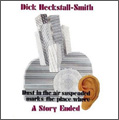
Rather than a story ended, Dick Heckstall-Smith's debut album was in some ways a continuation of the stories written by his previous bands Colosseum and the Graham Bond Organisation. For the record was recorded with the assistance of several of his past associates from those two groundbreaking British blues-rock-jazz groups, including Mark Clarke, Dave Greenslade, Chris Farlowe, and Jon Hiseman (who both played drums and produced) of the just-disbanded Colosseum, as well as Graham Bond. Pete Brown, who'd worked with several of the musicians who sprang from the Graham Bond Organisation crowd, co-wrote most of the songs with Heckstall-Smith; Chris Spedding and famed Elton John sideman Caleb Quaye contributed guitar. As often happens on solo projects stuffed with contributions by famous friends, however, the album was something of a disappointment in comparison to the leader's respectable track record. It sounds like a slightly heavier, slightly jazzier Colosseum, with songs that strain and tumble over themselves where the best Colosseum tracks had a powerful glide. Vocals were never Colosseum's strong suit, but the singing here, particularly on those tracks paced by Farlowe's blustery bellow, really drags the lyrically ambitious (and at times convoluted) material down. It might have been better to have had Pete Brown himself sing on those numbers he co-composed, as he was capable of projecting a real sense of his lyrics in spite of his vocal limitations. Instead we're left with a confused-sounding (and at times grating) set that doesn't add up to the sum of the individual talents, though in the most melodic and laid-back number ("What the Morning Was After"), you get a hint of the kind of moody songs that Brown helped craft for Jack Bruce's early solo recordings. ~ Richie Unterberger
録音 : ステレオ (Studio)
読み込み中にエラーが発生しました。
画面をリロードして、再読み込みしてください。