クラシック
CDアルバム

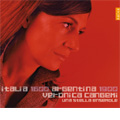
Italia 1600 Argentina 1900 -N.Porpora, Vivaldi, Monteverdi, Handel, etc / Veronica Cangemi(S), Una Stella Ensemble

0.0

販売価格

¥
2,790
税込
還元ポイント

廃盤

在庫状況 について

フォーマット CDアルバム
発売日 2009年01月15日
国内/輸入 輸入
レーベルNaive
構成数 1
パッケージ仕様 -
規格品番 OP30466
SKU 709861304660

構成数 : 1枚
合計収録時間 : 01:05:38

『1600年イタリア 1900年アルゼンチン』
【曲目】
ポルポラ:
 「ポリフェーモ」-偉大なジュピターよ
 「ヘスペリデスの園」-私は海の只中に
ヴィヴァルディ:
 「ウティカのカトーネ」-荒れ狂う海のように
 「忠実なニンフ」-言ってください,ああ
モンテヴェルディ: 苦しみはとても甘く
ピアソラ: アイ短調のミロンガ
ヘンデル:
 「リナルド」-泣くがままにさせてください
 「時と悟りの勝利」-神によって選ばれた天の使者よ
 私の心は決して(スペイン語のカンタータ)
カッチーニ: 「エウリディーチェ」-翼を持つ愛の神よ
グアスタヴィーノ: 鳩は間違えた
ブロスキ: 私はあの船のように
パイジェッロ: 「水車小屋の娘」-私は心に感じない
ヴィラ=ロボス: ブラジル風バッハ 第5番 -アリア
【演奏】
ヴェロニカ・カンジェミ(S)
ウナ・ステッラ・アンサンブル
〔ティボー・ノアリ(Vn)、ニコラス・マッツォレーニ(Vn)、ナディーヌ・ダヴァン(Va)、
 フィリップ・スピノージ(G)、アンヌ=ガランス・ファブル・ディト・ガルス(Vc,バスヴィオル)、
 ニコラウ・デ・フィゲイレド(Cemb)〕

[DDD/ステレオ]

  1. 1.[CDアルバム]
    1. 1.
      Polifemo, opera~Alto giove
    2. 2.
      Catone in Utica, opera in 3 acts, RV 705 (only acts 2 & 3 extant)~Come in vano il mare irato
    3. 3.
      Si dolce e'l tormento, madrigal for solo voice, SV 332
    4. 4.
      Milonga en ay menor, vocal milonga
    5. 5.
      Rinaldo, opera, HWV 7~Lascia ch'io pianga
    6. 6.
      Gli Orti esperidi, opera~Son fra l'onde in mezzo al mare. Recitativo
    7. 7.
      Gli Orti esperidi, opera~Son fra l'onde in mezzo al mare. Aria
    8. 8.
      Euridice, opera~Tu ch'ai le penne Amore
    9. 9.
      Se equivoco la paloma, for voice & piano
    10. 10.
      Artaserse, opera~Son qual nave ch'agitata
    11. 11.
      Il trionfo del Tempo e del Disinganno, oratorio, HWV 46a~Tu del ciel ministro eletto. Recitativo
    12. 12.
      Il trionfo del Tempo e del Disinganno, oratorio, HWV 46a~Tu del ciel ministro eletto. Aria
    13. 13.
      No se emendera jamas, cantata, HWV 140~Aria
    14. 14.
      No se emendera jamas, cantata, HWV 140~Recitativo
    15. 15.
      No se emendera jamas, cantata, HWV 140~Allegro
    16. 16.
      La Fida ninfa, opera in 3 acts, RV 714~Dite, oime! Ditelo, al fine
    17. 17.
      La Molinara, opera~Nel cor piu non mi sento
    18. 18.
      Bachianas Brasileiras No. 5, for voice & 8 cellos, A. 389~Aria. Cantilena

作品の情報

商品の紹介

イタリア・バロック音楽と近代アルゼンチン音楽の画期的融合! 通奏低音にフィゲイレドも参加した、カンジェミの素敵なアルバム!
アルゼンチン出身で、いま充実真っ盛りのソプラノ、ヴェロニカ・カンジェミ。バロック音楽で高い評価を得ている彼女が、ユニークなアルバムを発表しました。基本は、カッチーニからパイジェッロまでのイタリアの作曲家の作品。そこに、ピアソラ、グアスタヴィーノ、ヴィラ=ロボスの作品を入れるというもの。これが不思議に違和感がなく楽しめてしまうのですから不思議。ヴィラ=ロボスのブラジル風バッハ第5番からの有名なアリアは、フィリップ・スピノージの編曲による室内楽編成の演奏。趣味の良い編曲で、原曲とはまた違った素敵な魅力を醸しています。 [コメント提供;キングインターナショナル]
発売・販売元 提供資料

France's Naive label has overdone it this time with the electronica-like design for the cover of this release, which gives the buyer little idea of what he or she is going to hear. Even the title is not much help; most of the music does not come from Italy in the years around 1600 nor from Argentina around 1900, and the South American selections are more in the nature of punctuation of the program than the equivalent group the title implies. One might also note that the Spanish accent marks are pointing the wrong way in the track list. And there the list of complaints ends. This is a breathtaking vocal recital that, in its way, represents a landmark for the long incorporation of early music in the classical mainstream. The biggest news is that Argentine soprano Veronica Cangemi emerges as a major new talent, capable of handling perhaps the most devastatingly difficult of Vivaldi's operatic arias, the storm aria "Come in vano il mare irato," from Catone in Utica, track 2. But more intriguing is the diverse set of paths Cangemi takes as she approaches and departs from these centerpieces. The set of works on the album may seem to lack unity on the printed page, covering a range from Monteverdi to Mozart's contemporary Paisiello and then adding twentieth century Latin American works to boot. But it all holds together in a gripping way. Cangemi takes the virtuoso arias (including a rarely heard Spanish-language cantata by Handel) as one pole, and limpid laments, such as Argentine composer Carlos Guastavino's Se equivoco la paloma (track 9, rarely sung as gorgeously as this), as the other. In between are various other forms of vocal virtuosity: pieces that reflect the vocal muscle of the castrato (Riccardo Broschi, who contributed insertion arias to Hasse's Artaserse), and pieces rooted in monody like the rare "Alto giove," from Haydn's teacher Nicola Porpora (track 1). The Latin American pieces are accompanied by a guitar (the final Bachiana Brasileira No. 5 of Villa-Lobos, which brings the whole adventure to a transcendent resting place, adds a cello), and various Baroque instruments accompany the other numbers, with the result that the ensemble seems to swell and contract at its own rate, independent of but complementary to what is happening with the vocal. As may be seen, this is not a "historical performance," although it draws on the insights developed in that field. It is something better: a Baroque recital in which materials external to the early music core are bent to amplify the program as a supremely talented singer needs them to. An altogether superb vocal recital.
Rovi

メンバーズレビュー

レビューを書いてみませんか?

読み込み中にエラーが発生しました。

画面をリロードして、再読み込みしてください。