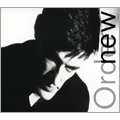
ジョイ・ディヴィジョンから完全に脱皮、ポップなサウンドに移行したサード・アルバム。アコースティックなサウンドとシンセの絡み合いによって紡がれた美しいメロディが、存分に味わえる。(1985年作品)
タワーレコード
NME - Ranked #50 in NME's list of the `Greatest Albums Of All Time.'
Mojo - "...Multi-textured, urgent squalls of techno-pop manna. The best driving album ever..."
Q - 5 Stars - Indispensible - "...a stunner. New Order emerge as a fully-fledged dance act with marvellous songs covered with a metallic sheen..."
CMJ - Ranked #2 in CMJ's "Top 20 Most-Played Albums of 1985"
Q - Ranked #97 in Q's "100 Greatest British Albums"
NME - Ranked #10 among The 50 Greatest Albums Of The '80s - "...New Order finally cracked it and made the perfect rock album you could also dance to..."
Record Collector - 4 stars out of 5 -- "America fell for the band with 1985's LOW-LIFE, seduced by the emotional ennui of 'The Perfect Kiss' and the notion that guitars and synths don't have to be mutally exclusive in rock music."
Blender - 5 stars out of 5 -- "LOW-LIFE goes for vividly romantic club sounds, with a surprisingly playful sense of humor...'
Rovi
New Order's third LP, Low-life, was, in every way, the artistic equal of their breakout, 1983's Power, Corruption & Lies. The point where the band's fusion of rock and electronics became seamless, it showed the bandmembers having it every way they wanted: heavily sequenced and synthesized, but with bravura work from Bernard Sumner's guitar and Peter Hook's plaintive, melodic bass; filled with hummable pop songs, but still experimental as far as how the productions were achieved. The melodica-led pop song "Love Vigilantes" was the opener, nearly identical as a standout first track to "Age of Consent" from Power, Corruption & Lies. Next was "The Perfect Kiss," one of the first major New Order singles to appear on an album. (The band being newly signed to Warner Bros. in the United States, it made perfect sense to include such a sublime piece of dance-pop on the LP.) Even as more and more synth-heavy groups like Eurythmics and Pet Shop Boys began approaching New Order's expertise with the proper care of electronics in pop music, the band still sounded like none other. "This Time of Night" and "Elegia" evoked the dark, nocturnal mood of the album's title and artwork, but none could call them mopey when they pushed as hard as they did on "Sunrise." Only "Sub-Culture," tucked in at the end, has the feel of a lost opportunity; remixed for a single release, it became much better. But there was no mistaking that New Order had reached a peak, experimenting with their sound and their style, but keeping every moment wrapped in an unmistakable humanness. ~ John Bush|
Rovi