Rock/Pop
CDアルバム

販売価格

¥
2,290
税込
ポイント20%還元

廃盤

在庫状況 について

フォーマット CDアルバム
発売日 2007年08月13日
国内/輸入 輸入
レーベルVoiceprint
構成数 1
パッケージ仕様 -
規格品番 CD1CD
SKU 604388693825

構成数 : 1枚
合計収録時間 : 00:59:00

  1. 1.[CDアルバム]
    1. 1.
      Above And Below

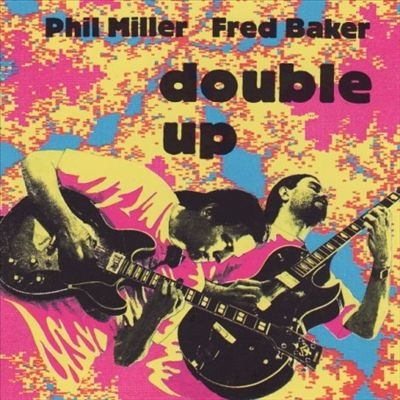
      アーティスト: Phil Miller & Fred Baker

    2. 2.
      Underdub

      アーティスト: Phil Miller & Fred Baker

    3. 3.
      For Christine

      アーティスト: Phil Miller & Fred Baker

    4. 4.
      Second Sight

      アーティスト: Phil Miller & Fred Baker

    5. 5.
      Eastern Region

      アーティスト: Phil Miller & Fred Baker

    6. 6.
      Loggerheads

      アーティスト: Phil Miller & Fred Baker

    7. 7.
      Calyx

      アーティスト: Phil Miller & Fred Baker

    8. 8.
      Green And Purple

      アーティスト: Phil Miller & Fred Baker

    9. 9.
      God Song

      アーティスト: Phil Miller & Fred Baker

作品の情報

メイン
アーティスト: Phil Miller & Fred Baker

その他
アーティスト: Miller, Phil & Fred Baker

商品の紹介

When Miles Davis and like-minded jazzmen began to express their appreciation of rock (as well as funk) in the late '60s, post-bop gave way to fusion -- a revolution that jazz purists and bop snobs were still complaining about 40 years later (much like the aging folk purists who still insist that Bob Dylan never should have gone electric). The fact that fusion started in the United States doesn't mean that it hasn't had some talented representatives in England, and three of the British guitarists who have been fusion proponents since its early years are John McLaughlin, Allan Holdsworth, and Phil Miller. Although Miller isn't as big a name in fusion as McLaughlin or Holdsworth, he has provided his share of worthwhile albums -- and Miller is in consistently strong form on Conspiracy Theories, which was recorded in London in 2004. Leading his band In Cahoots, Miller liberally incorporates rock and funk elements but maintains an improvisatory jazz mentality throughout the 70-minute CD. Jazz purists would argue that tracks like "Freudian Triode," "Flashpoint," and "Crackpot" aren't really jazz and are simply instrumental rock with jazz overtones. But the fact that Miller likes rock and funk (both of which share jazz's blues heritage) and uses a lot of electric instruments does not mean that Conspiracy Theories lacks a jazz aesthetic; this album doesn't have a '50s bop aesthetic, but it has a jazz aesthetic nonetheless -- and the truth is that if he took away the rock and funk elements, didn't use electric bass or electric keyboards, and went for an acoustic-oriented approach, Miller could have made Conspiracy Theories a straight-ahead post-bop album. A jazz musician, however, doesn't have to be straight-ahead to be legitimate, and Conspiracy Theories finds Miller (who turned 55 in 2004) continuing to shine as both a guitarist and a composer. ~ Alex Henderson|
Rovi

When Miles Davis and like-minded jazzmen began to express their appreciation of rock (as well as funk) in the late 60s, post-bop gave way to fusion -- a revolution that jazz purists and bop snobs were still complaining about 40 years later (much like the aging folk purists who still insist that Bob Dylan never should have gone electric). The fact that fusion started in the United States doesnt mean that it hasnt had some talented representatives in England, and three of the British guitarists who have been fusion proponents since its early years are John McLaughlin, Allan Holdsworth, and Phil Miller. Although Miller isnt as big a name in fusion as McLaughlin or Holdsworth, he has provided his share of worthwhile albums -- and Miller is in consistently strong form on Conspiracy Theories, which was recorded in London in 2004. Leading his band In Cahoots, Miller liberally incorporates rock and funk elements but maintains an improvisatory jazz mentality throughout the 70-minute CD. Jazz purists would argue that tracks like "Freudian Triode," "Flashpoint," and "Crackpot" arent really jazz and are simply instrumental rock with jazz overtones. But the fact that Miller likes rock and funk (both of which share jazzs blues heritage) and uses a lot of electric instruments does not mean that Conspiracy Theories lacks a jazz aesthetic; this album doesnt have a 50s bop aesthetic, but it has a jazz aesthetic nonetheless -- and the truth is that if he took away the rock and funk elements, didnt use electric bass or electric keyboards, and went for an acoustic-oriented approach, Miller could have made Conspiracy Theories a straight-ahead post-bop album. A jazz musician, however, doesnt have to be straight-ahead to be legitimate, and Conspiracy Theories finds Miller (who turned 55 in 2004) continuing to shine as both a guitarist and a composer. ~ Alex Henderson
Rovi

メンバーズレビュー

レビューを書いてみませんか?

読み込み中にエラーが発生しました。

画面をリロードして、再読み込みしてください。