Jazz
CDアルバム

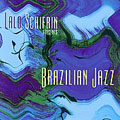
Brazilian Jazz

0.0

販売価格

¥
2,390
税込
還元ポイント

販売中

在庫わずか
発送目安
3日~5日 店舗から取り寄せる商品となります

在庫状況 について

・各種前払い決済は、お支払い確認後の発送となります(Q&A)

フォーマット CDアルバム
発売日 2020年12月31日
国内/輸入 輸入
レーベルAleph
構成数 1
パッケージ仕様 -
規格品番 ALEPH020
SKU 651702634125

構成数 : 1枚
合計収録時間 : 00:37:30
Personnel includes: Lalo Schifrin (piano); Leo Wright (saxophone, flute); Christopher White (bass); Rudy Collins (drums); Joe Paulo, Jack Del Rio (percussion). Recorded in 1957. Personnel: Lalo Schifrin (piano); Lalo Schifrin; Christopher White (bass instrument); Jose Paulo (pandeiro); Leo Wright (flute, saxophone); Rudy Collins (drums). It was an exciting time for Brazilian music in the early '60s, when bossa nova and samba rhythms came to occupy a special place in the heart of American jazz musicians. These contagious rhythms, lyrical melodies, and sophisticated chord progressions from Rio, Sao Paulo, and Bahia practically seduced artists like Dizzy Gillespie, Stan Getz, and, later, Chick Corea. Pianist Lalo Schifrin, who became one of the world's greatest jazz musicians and composers, gathered members of Gillespie's band -- bassist Chris White, drummer Rudy Collins, and flutist-saxophonist Leo Wright -- for this exciting date, originally recorded in 1962. The quartet creates a powerful polyrhythmic sound, with lead voice switching off between Schifrin's lively ivories and Wright's graceful flute on the most effective tracks like "Chora True Tristeza." The quartet is enhanced by Latin percussionists Jose Paulo of Brazil and Jack Del Rio of Argentina; Paulo performs on the pandeiro, a Brazilian tambourine, while Del Rio adds subtle emotional whispers of rhythm with the cabaca, a gourd instrument covered with a loose network of beads. It's always exciting to hear how Schifrin and his colleagues egg each other on to play quicker and quicker flurries of notes, but the slower passages -- like the opening minutes of "Poema Do Adeus" -- create an interesting counterpoint. The way this tune explodes percussively tends to indicate that no matter how they try to tame themselves, these musicians can't quite keep it still for too long. Accept no substitutes; this is classic Brazilian music in its purest original form. ~ Jonathan Widran
録音 : モノラル (Studio)

  1. 1.[CDアルバム]
    1. 1.
      O Amor E a Rosa

      アーティスト: Lalo Schifrin

    2. 2.
      Boato (Bistro)

      アーティスト: Lalo Schifrin

    3. 3.
      Chora Tua Tristeza

      アーティスト: Lalo Schifrin

    4. 4.
      Poema Do Adeus

      アーティスト: Lalo Schifrin

    5. 5.
      Apito No Samba

      アーティスト: Lalo Schifrin

    6. 6.
      Chega de Saudade

      アーティスト: Lalo Schifrin

    7. 7.
      Bossa Em Nova York

      アーティスト: Lalo Schifrin

    8. 8.
      O Menino Desce O Morro

      アーティスト: Lalo Schifrin

    9. 9.
      Menina Feia

      アーティスト: Lalo Schifrin

    10. 10.
      Ouca

      アーティスト: Lalo Schifrin

    11. 11.
      Samba de Uma Nota So

      アーティスト: Lalo Schifrin

    12. 12.
      Patinho Feio

      アーティスト: Lalo Schifrin

作品の情報

メイン
アーティスト: Lalo Schifrin

商品の紹介

It was an exciting time for Brazilian music in the early '60s, when bossa nova and samba rhythms came to occupy a special place in the heart of American jazz musicians. These contagious rhythms, lyrical melodies, and sophisticated chord progressions from Rio, Sao Paulo, and Bahia practically seduced artists like Dizzy Gillespie, Stan Getz, and, later, Chick Corea. Pianist Lalo Schifrin, who became one of the world's greatest jazz musicians and composers, gathered members of Gillespie's band -- bassist Chris White, drummer Rudy Collins, and flutist-saxophonist Leo Wright -- for this exciting date, originally recorded in 1962. The quartet creates a powerful polyrhythmic sound, with lead voice switching off between Schifrin's lively ivories and Wright's graceful flute on the most effective tracks like "Chora True Tristeza." The quartet is enhanced by Latin percussionists Jose Paulo of Brazil and Jack Del Rio of Argentina; Paulo performs on the pandeiro, a Brazilian tambourine, while Del Rio adds subtle emotional whispers of rhythm with the cabaca, a gourd instrument covered with a loose network of beads. It's always exciting to hear how Schifrin and his colleagues egg each other on to play quicker and quicker flurries of notes, but the slower passages -- like the opening minutes of "Poema Do Adeus" -- create an interesting counterpoint. The way this tune explodes percussively tends to indicate that no matter how they try to tame themselves, these musicians can't quite keep it still for too long. Accept no substitutes; this is classic Brazilian music in its purest original form. ~ Jonathan Widran
Rovi

メンバーズレビュー

レビューを書いてみませんか?

読み込み中にエラーが発生しました。

画面をリロードして、再読み込みしてください。