クラシック
CDアルバム

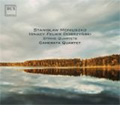
I.F.Dobrzynski :String Quartet No.1 Op.7; S.Moniuszko: String Quartets No.1, No.2 (11/1994, 3/1995) / Camerata Quartet

0.0

販売価格

¥
3,069
税込
ポイント20%還元

在庫状況 について

フォーマット CDアルバム
発売日 2007年12月19日
国内/輸入 輸入
レーベルDUX
構成数 1
パッケージ仕様 -
規格品番 DUX0561
SKU 5902547005614

構成数 : 1枚
合計収録時間 : 01:02:14

【曲目】
イグナツィ・フェリクス・ドブジンスキ(1807-1867):
 弦楽四重奏曲第1番ホ短調 Op.7(1827-1828)
スタニスラフ・モニュシュコ(1819-1872):
 弦楽四重奏曲第2番ヘ長調(1840)/同第1番ニ短調(1839)
【演奏】
カメラータ弦楽四重奏団
 ウウォジミェシュ・プロミンスキ(第1ヴァイオリン)
 アンジェイ・コルディキェヴィチ(第2ヴァイオリン)
 ピオトル・レイヘルト(ヴィオラ)
 ロマン・ホフマン(チェロ)
【録音】
1994年11月、1995年3月 ワルシャワ,ポーランド放送スタジオS1

  1. 1.[CDアルバム]
    1. 1.
      String Quartet in E minor,Op. 7~1. Allegro espressivo e moderato
    2. 2.
      String Quartet in E minor,Op. 7~2. Scherzo. Allegro vivace ma non troppo presto
    3. 3.
      String Quartet in E minor,Op. 7~3. Adagio molto espressivo
    4. 4.
      String Quartet in E minor,Op. 7~4. Finale. Presto
    5. 5.
      String quartet No 2 in F minor~1. Allegro moderato
    6. 6.
      String quartet No 2 in F minor~2. Andante
    7. 7.
      String quartet No 2 in F minor~3. Scherzo. Allegretto (Baccanale monacale)
    8. 8.
      String quartet No 2 in F minor~4. Finale. Allegro
    9. 9.
      String quartet No 1 in D minor~1. Allegro agitato
    10. 10.
      String quartet No 1 in D minor~2. Andantino
    11. 11.
      String quartet No 1 in D minor~3. Scherzo. Vivo
    12. 12.
      String quartet No 1 in D minor~4. Finale. Allegro assai (Un ballo campestre e sue consequenze)

作品の情報

商品の紹介

This interesting disc from Dux surveys early Polish string quartets by two major figures in Polish music who were contemporaries of Chopin, Ignacy Feliks Dobrzynski, and Stanislaw Moniuszko. Moniuszko is best known through his operas and large sacred choral works; outside of the two string quartets played here by the Camerata Quartet, he produced almost nothing in terms of chamber music. Dobrzynski wrote four operas, of which Monbar, or the Freebooters (1838) was the work the composer considered his most important. However, in posterity it is through instrumental music that Dobrzynski is known -- his two symphonies, various pieces in concertante format, and numerous chamber and solo piano works have kept his name alive. Dobrzynski has three string quartets, of which this E minor work is the first, dating from 1827-1828; it has a lot of energy, but is rather dependent on the example of Haydn in both formal structure and thematic drive. It is a student work, and this is made obvious when Dobrzynski launches into a stodgy fugue or makes use of other predictable devices. The quartet has an attractive sound and is very lively, but it sounds like a quartet written about 1790 rather than one from around 1830. To Dobrzynski's defense, this is precisely what his audience -- and probably his teachers -- was expecting; even as Chopin was making his first bow, musical tastes in Poland were rather behind the times and would remain so for some time after he died. The two Moniuszko quartets are far more engaging. The Scherzo "Bacchanale Monacale" from the String Quartet No. 2 in F still bears some traces of Haydn, but it is shot full of tricky modulations, sudden stops, and original ideas -- it is at least closer in style to the Mendelssohn current in Moniuszko's time, if not a bit more quirky. The String Quartet No. 1 in D minor is a very striking piece of music, contrasting flowing lyricism with more stubborn, dramatic figures that are vaguely reminiscent of Beethoven; it is even more advanced than the second quartet, demonstrating that Dux has the right idea in terms of sequencing the album. Admittedly, with the Andante of the second quartet boasting the lyric melody "Przasniczka," which Moniuszko reused in a vocal setting that became popular in Poland, the second quartet is more immediate than the first, whereas the first is more ambitious -- they round one another out quite well. The playing of the Camerata Quartet in all three of these works is very dedicated, energetic, and exciting. This recording was made in Polish Radio studios in 1994-1995 and originally issued on the Ricercar label; its return to the catalog is certainly welcome. By June 2007, there were no other recording of Dobrzynski and the only alternative to the Moniuszko quartets was a Varsovia Quartet entry that has long disappeared. If one has an interest in nineteenth century Polish music, or just in spirited string quartet playing, then Camerata Quartet's Moniuszko/Dobrzynski: String Quartets will be well worth your time.
Rovi

メンバーズレビュー

レビューを書いてみませんか?

読み込み中にエラーが発生しました。

画面をリロードして、再読み込みしてください。