Jazz
CDアルバム

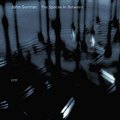
The Spaces in Between

0.0

販売価格

¥
3,490
税込
還元ポイント

販売中

在庫わずか
発送目安
当日~翌日

在庫状況 について

・各種前払い決済は、お支払い確認後の発送となります(Q&A)

フォーマット CDアルバム
発売日 2007年05月02日
国内/輸入 輸入
レーベルECM
構成数 1
パッケージ仕様 -
規格品番 ECM1956
SKU 602517235861

構成数 : 1枚
合計収録時間 : 01:01:35
録音 : ステレオ (Studio)

  1. 1.[CDアルバム]
    1. 1.
      Moonlighter

      アーティスト: John Surman

    2. 2.
      You Never Know

      アーティスト: John Surman

    3. 3.
      Wayfarers All

      アーティスト: John Surman

    4. 4.
      Now and Again

      アーティスト: John Surman

    5. 5.
      Winter Wish

      アーティスト: John Surman

    6. 6.
      Spaces in Between, The

      アーティスト: John Surman

    7. 7.
      Now Sea!

      アーティスト: John Surman

    8. 8.
      Mimosa

      アーティスト: John Surman

    9. 9.
      Hubbub

      アーティスト: John Surman

    10. 10.
      Where Fortune Smiles

      アーティスト: John Surman

    11. 11.
      Leaving the Harrow

      アーティスト: John Surman

作品の情報

メイン
アーティスト: John Surman

その他
プロデューサー: Manfred Eicher
エンジニア: Markus Heiland

商品の紹介

It's been four long years since British composer and saxophonist John Surman issued a new recording for his longtime home label, ECM. In a loose way, The Spaces in Between is the mirror image of 2003's Free and Equal, recorded with drummer Jack DeJohnette and the London Brass (though that record was a mirror of the first teaming of Surman with his longtime collaborator, double bassist Chris Laurence and the then-new Trans4mation String Quartet). Surman has been writing, arranging for, and performing with Trans4mation since that time. Whereas Coruscating was far more formal in structure, and its textures and colorings plotted in advance, here there are more opportunities for the strings to improvise and add more freely to the mix. There is a beauty in this, as Surman revisits and reconstructs pieces that go all the way back to his Dawn years with the opening track "Moonlighter." Don't expect to be able to recognize this one from its former incarnation. The earlier band, in which John McLaughlin and Dave Holland played roles, was a much more fiery ensemble -- at a much louder volume -- for whom improvisation was the true prize. Here, the true treasure of the relatively spare melody Surman composed is worked from the ground up with restrained elegance by Transmation, and Laurence's role is one of being a contrapuntal ballast for the saxophonist who plays baritone in a decidedly non post-Coltrane manner. Other previously recorded Surman tunes are the lovely "Mimosa," written for the Thimar session trio with Anouar Brahem and Holland. The sheer old-world exoticism of the oud is here replaced by the slowly developing theme plucked out on the violin and then played in full by the quartet as Surman underscores those lines with short, melodic modal lines of his own, all of them resolving in passage. His soloing here is also far more engaging, allowing his own phrases to drift into one another with the end of one line suggesting the entrance of the next as Rita Manning's violin hovers and swoops in improvisation in the backdrop. Laurence enters a with a very compelling rhythm line that feels more like a solo setting, leaving Surman completely free to follow a different melodic path. In both pieces it's easy to hear them dovetailing, complementing one another so well it's almost as if the work was written in two distinct sections meant to be played one after another. The title cut is the hinge piece here, and occurs almost dead center. It's written as a solo violin work for Manning, and, at over eight minutes, is as striking a work as we've heard from Surman written for another instrument. Make no mistake, while there is improvisation involved here, this is a very tautly written work, where dynamic and tone demand as much control as the notes themselves. Surman's sense of space is singular. His lines are literally pregnant with meaning as they suggest not only themselves but reference other elements of both British folk traditions and its long, rich classical past while looking squarely at the 20th century and composers from Robert Simpson to Harold Truscott. What takes place after this gorgeous solo work is a much more active and lush, even bright sense of coloration and gorgeous harmonic structures to complement Surman's solos; his lovely and poetic soprano work on "Where Fortune Smiles" is a prime example, and the sprightly, paradigmatic "Leaving the Harrow," contains some of the most intricate work on the set. It's painterly in its movement, yet, at the same time suggests a look through memory's prism, the strings are so fluid and turn so quickly as Laurence plays a nearly knotty bass solo assisted by the rich, warm tonal clusters from the quartet at its beginning, and is left alone before Surman joins him for some rich and utterly lovely interplay before the strings re-enter in earnest, carrying with them the kind of drama that only the memory can illustrate. Surman may not record quite so regularly as he once di to be continued...
Rovi

メンバーズレビュー

レビューを書いてみませんか?

読み込み中にエラーが発生しました。

画面をリロードして、再読み込みしてください。