販売価格
販売中
お取り寄せお取り寄せの商品となります
入荷の見込みがないことが確認された場合や、ご注文後40日前後を経過しても入荷がない場合は、取り寄せ手配を終了し、この商品をキャンセルとさせていただきます。
| フォーマット | CDアルバム |
| 発売日 | 2023年11月30日 |
| 国内/輸入 | 輸入 |
| レーベル | Universal Music |
| 構成数 | 1 |
| パッケージ仕様 | - |
| 規格品番 | 0602498676578ESP |
| SKU | 602498676578 |
構成数 : 1枚
合計収録時間 : 00:00:00
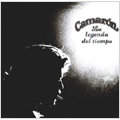
Not many records can be pinpointed as genuine historical turning points, but La Leyenda Del Tiempo is a bona fide before/after landmark in the flamenco world. El Camaron de la Isla, almost universally regarded as the greatest flamenco singer of all time, put aside his classic partnership with Paco de Lucia to record with different musicians and incorporate rock and jazz elements on an album often called the Sgt. Pepper's of flamenco. It was a radical, daring step by a singer in his late twenties who opened the door for a whole wave of musicians and bands who are still major figures in Spanish music. It cemented the legend of El Camaron de la Isla as a towering creative force who, much like Bob Marley in reggae, brought flamenco into the present without losing the essence of the root tradition. La Leyenda Del Tiempo was a turning point in Camaron's career -- his first record with his second long-term guitar partner, Tomatito -- and afterwards he began to blend traditional albums with more experiments in varied musical settings and writing many of his own lyrics. The album doesn't seem that radical on the surface: half the songs are in traditional flamenco style -- including "Romance Del Amargo," "Homenaje a Federico," and "Bahia De Cadiz," all fine performances -- with acoustic guitars and/or hand percussion behind Camaron's impassioned voice. The opening title track has a full band with well-played electric piano and miniMoog solos that may sound dated, but not in the album's 1979 context. The songs are short and to the point -- half feature lyrics adapted from poems by Federico Garcia Lorca and most of the music was adapted by producer Richard Pachon. Kike Veneno's "Volando Voy" is a racehorse flamenco rock blend with flailing acoustic guitar and kinetic hand percussion. Camaron doesn't muster the spiraling flourishes and unbridled passion of the straight flamenco material, but his vocals fall perfectly in the rocker pocket. The sitar melody on "Nana Del Caballo Grande" leaves Camaron out on his own, but that's no problem for a singer of his caliber. You might have to study flamenco singing to really get all the things Camaron does vocally, but not to appreciate the fact that you're listening to a great singer -- "Viejo Mundo" or "Mi Nina Se Fue Al Mar" will convince you of that. If you like flamenco guitar or modern bands like Ketama or the Gypsy Kings, El Camaron de la Isla is the artist with whom to begin exploring the root traditions and La Leyenda Del Tiempo is probably the best single album to start with. ~ Don Snowden
読み込み中にエラーが発生しました。
画面をリロードして、再読み込みしてください。