| フォーマット | CDアルバム |
| 発売日 | 2005年12月22日 |
| 国内/輸入 | 輸入 |
| レーベル | Attic Records |
| 構成数 | 1 |
| パッケージ仕様 | - |
| 規格品番 | ATIC11302 |
| SKU | 057362113022 |
構成数 : 1枚
合計収録時間 : 00:43:25
Personnel: Dave Allison (vocals); Robb Reiner (drums).
Recording information: Phase One Studios, Toronto, Ontario, Canada (01/1982-02/1982).
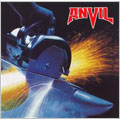
Pity poor Anvil. Unsung godfathers of thrash and speed metal, hailing from a locale (Toronto) not noted for its headbanging scene, relegated to a Canadian independent label during their brief creative prime, Anvil also had the distinct misfortune to hit the scene just a year before Metallica's Kill 'Em All. Many metal connoisseurs consider Anvil's second album, Metal on Metal, the missing link between the flagbearers of the NWOBHM and the rise of North American thrash. Actually, the closest NWOBHM touchstone here is the proto-thrash madness of Raven, albeit with better riffs and a stronger sense of groove that kept Anvil firmly in control of their particular brand of mania. This is metal for metalheads, played with unabashed gusto by devoted disciples of the form. Indeed, casual metal fans enticed by the Spinal Tap comparisons surrounding 2009's Anvil documentary will find the band celebrating a host of metal cliches: metal! (Anvil uber-anthem "Metal on Metal"); monsters! ("Mothra"); Satan! ("666"); groupie sex! (about half the record, with "Jackhammer" and "Tag Team" being the most cheerfully tasteless). But the comparisons stop there, because these guys could really play. In particular, drum powerhouse Robb Reiner exerted an immediate influence on the burgeoning thrash underground, including big names like Lars Ulrich (Metallica) and Gene Hoglan (Dark Angel/Death/Strapping Young Lad/Dethklok). There are no guitar-school soloing displays on hand here; the band's technique is always in the service of the overall energy of the songs, and that energy is prodigious (even if it does flag a bit on the power-poppy "Stop Me" and the "Crazy Train" ripoff "Scenery"). What Steve "Lips" Kudlow lacks in vocal range, he more than makes up for in gonzo enthusiasm. And really, that's the key to the stylistic evolution evident here -- Metal on Metal helped create thrash and speed metal not so much through vicious aggression, but rather through its endearingly over the top excitement. It isn't the kind of classic that redefined its form; instead, it upped the ante for an already existing M.O., setting new standards for heaviness that -- unfortunately for the band -- were eclipsed in fairly short order. Divorced from its historical context, Metal on Metal today simply sounds like raucous traditional metal, performed with good humor and chops to burn, by a band clearly having the time of its life. ~ Steve Huey
録音 : ステレオ (---)
読み込み中にエラーが発生しました。
画面をリロードして、再読み込みしてください。