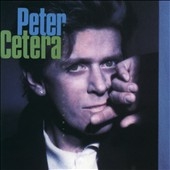
| フォーマット | CDアルバム |
| 発売日 | 1994年11月24日 |
| 国内/輸入 | 輸入 |
| レーベル | Warner Bros. |
| 構成数 | 1 |
| パッケージ仕様 | - |
| 規格品番 | 25474 |
| SKU | 075992547420 |
構成数 : 1枚
合計収録時間 : 00:39:18
Personnel: Peter Cetera (vocals, bass); Amy Grant (vocals); Dann Huff, Ray Parker Jr. (guitar); Michael Omartian (keyboards); Paul Leim, Chester Thompson (drums); Kenny Cetera (percussion, background vocals); Jeff Porcaro (percussion); Erich Bulling (programming).
Personnel: Peter Cetera (vocals, guitar, percussion); Kenny Cetera (vocals, percussion, background vocals); Amy Grant (vocals); Dann Huff, Ray Parker, Jr. (guitar); Michael Omartian (keyboards); Willie Alexander (synthesizer, programming); Erich Bulling, Steve Az (synthesizer); Chester Thompson , Paul Leim (drums); Jeff Porcaro (percussion).
Audio Mixers: John Guess; Terry Christian .
Recording information: Lightouse Studio; Lion Share Studios; Skyline Studios.
Photographer: Herb Ritts.
Chicago's early-'80s return from the scrapheap did more than bring the group its biggest chart successes: it finally shattered the carefully maintained "faceless" image that had prevented any member from becoming an individual star. In the dawning age of video, the band needed a focal point, and bassist Peter Cetera -- already the voice behind Chicago's soft rock smashes like "If You Leave Me Now," which had made significant inroads with the MOR audience -- was the logical choice. So it wasn't a huge surprise that, following Chicago XVII, Cetera decided to use his new celebrity to strike out on his own. He'd already come close to leaving a few years earlier, making his first solo album when Chicago was at a commercial low point; this time he had plenty of momentum, reinforced with a little cross-marketing for the movie The Karate Kid, Part II. Cetera's gallant "The Glory of Love" served as the film's theme and became a major hit as well as defined his post-Chicago sound -- essentially XVII without the horns, with one ultra-slick L.A. producer (Michael Omartian) replacing another (David Foster). The loss of brass, even in the subservient role it had come to play in post-resurrection Chicago, leaves Solitude/Solitaire bland around the edges, and since Omartian went for more trendy embellishments than Foster (especially on up-tempo tracks like "Big Mistake") the album doesn't have the timeless sound of Cetera's former work. However, his familiar tenor and gift for melody insure a pleasant listen even today, the well-crafted balladry making the lack of bite bearable. ~ Dan LeRoy
録音 : ステレオ (Studio)
読み込み中にエラーが発生しました。
画面をリロードして、再読み込みしてください。