| フォーマット | CDアルバム |
| 発売日 | 2005年05月23日 |
| 国内/輸入 | 輸入 |
| レーベル | El |
| 構成数 | 1 |
| パッケージ仕様 | - |
| 規格品番 | ACMEM41CD |
| SKU | 5013929304123 |
構成数 : 1枚
合計収録時間 : 01:08:25
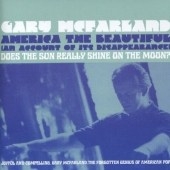
This two-fer CD gathers both 1968 albums by orchestral jazz composer and vibraphonist Gary McFarland, the instrumental concept album AMERICA THE BEAUTIFUL (AN ACCOUNT OF ITS DISAPPEARANCE) and a collection of pop covers, DOES THE SUN REALLY SHINE ON THE MOON.
Remastered U.K. edition.
Personnel: Gary McFarland (vibraphone); Eric Gale , Sam Leigh Brown (guitar); Aaron Rosand , David Nadien, Gene Orloff (violin); Al Brown & His Tunetoppers (viola); George Ricci (cello); Jerome Richardson (flute, reeds, soprano saxophone); Danny Bank , Wally Caine, Hubert Laws, Raymond Beckenstein, Joe Farrell, Romeo Penque (reeds); Marvin Stamm (trumpet, flugelhorn); Richard Gene Williams , Ernie Royal, Randy Brecker, Snooky Young, Bernie Glow (trumpet); Earl Chapin, Jim Buffington, Ray Alonge (French horn); Garnett Brown (trombone); Harvey E. Phillips (tuba); Warren Bernhardt (piano, organ); Donald MacDonald, Grady Tate, Bernard "Pretty" Purdie (drums); Warren Smith (percussion).
Liner Note Authors: Kristian St. Clair; Marya Mannes.
Recording information: A&R Studios, New York, NY (01/29/1968-10/22/1968).
Photographers: Kim Miskoe; Fred Seligo.
In 1968, Gary McFarland issued two brilliantly original albums -- America the Beautiful (An Account of Disappearance) and Does the Sun Really Shine on the Moon were recorded at the bookends of the year, as the United States was being torn apart by the Vietnam War, student protest, and the first real wave of large scale activist environmentalism. The former (recorded in three days in January) stands as an almost forgotten jazz-pop tone poem (with classical and serial overtones!) by a large scale orchestra that includes large brass, reed, and string sections and a jazz-rock band. Its six themes, with titles such as "80 Miles an Hour Through Beer Can Country," and "Suburbia: Two Poodles and a Plastic Jesus," range from elegiac meditations framed by strings to funky, tough soundscapes centered on pure groove, with big popping horns and an electric rhythm section that included Bernard "Pretty" Purdie, Chuck Rainey, Warren Bernhardt, and percussionist Warren Smith. Eric Gale's guitar playing has never sounded tougher and more wiry than it does here. Some of the other players include Joe Farrell, Randy Brecker, Snooky Young, and Jerome Richardson. It has a soundtrack feel to it, but the music is so adventurous and risky it would have overwhelmed any celluloid images attached to it. The latter recording, done in October, hosts a smaller band with many of the same members, though bassist Richard Davis is featured as well and organist Grady Tate, who was on-board for the date. Does the Sun Really Shine on the Moon focused more on the pop side of jazz with innovative, subtly textured, and even gorgeous arrangements. On "By the Time I Get to Phoenix," the flugelhorn work by Marvin Stamm in interplay with Richardson's soprano is remarkable. Sam Leigh Brown's guitar provides the base for that soprano on "Lady Jane" before McFarland's vibes come in and slip through the center; they're exotic yet utterly grounded in the melody. This is a light, airy record with enough sheer beauty and innovation to make it worth the purchase price of this two-fer. Combined with America the Beautiful, this is indispensable for any serious '60s music collection. ~ Thom Jurek
録音 : ステレオ (---)
読み込み中にエラーが発生しました。
画面をリロードして、再読み込みしてください。