クラシック
CDアルバム

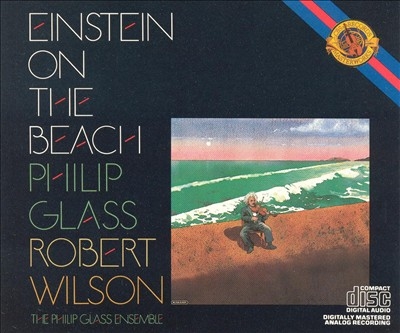
Glass: Einstein on the Beach / Philip Glass Ensemble

0.0

販売価格

¥
8,490
税込
還元ポイント

廃盤

在庫状況 について

フォーマット CDアルバム
発売日 1987年05月21日
国内/輸入 輸入
レーベルSony Classical
構成数 4
パッケージ仕様 -
規格品番 S4K38875
SKU 074643887526

構成数 : 4枚
合計収録時間 : 03:20:40
Big Apple Recording Studios, NYC

  1. 1.[CDアルバム] DISC 1:
    1. 1.
      Einstein on the Beach, opera~Knee Play 1

      アーティスト: フィリップ・グラス

    2. 2.
      Einstein on the Beach, opera~Act 1. Scene 1 - Train
    3. 3.
      Einstein on the Beach, opera~Act 1. Scene 2 - Trial
  2. 2.[CDアルバム] DISC 2:
    1. 1.
      Einstein on the Beach, opera~Knee Play 2
    2. 2.
      Einstein on the Beach, opera~Act 2. Scene 1 - Dance 1
    3. 3.
      Einstein on the Beach, opera~Act 2. Scene 2 - Night Train
    4. 4.
      Einstein on the Beach, opera~Knee Play 3
  3. 3.[CDアルバム] DISC 3:
    1. 1.
      Einstein on the Beach, opera~Act 3. Scene 1 - Trial / Prison
    2. 2.
      Einstein on the Beach, opera~Act 3. Scene 2 - Dance 2
    3. 3.
      Einstein on the Beach, opera~Knee Play 4
  4. 4.[CDアルバム] DISC 4:
    1. 1.
      Einstein on the Beach, opera~Act 4. Scene 1 - Building
    2. 2.
      Einstein on the Beach, opera~Act 4. Scene 2 - Bed
    3. 3.
      Einstein on the Beach, opera~Act 4. Scene 3 - Spaceship
    4. 4.
      Einstein on the Beach, opera~Knee Play 5

作品の情報

商品の紹介

This opera, composed in 1975 and premiered in 1976, is scored for four principal actors, 12 singers doubling as dancers and actors, a solo violinist, and an amplified ensemble of keyboards, winds and voices. It is imbued with the postmodern spirit both in its non-linear, poetic, mystic narrative and the floating, eternal world created by the shifting, mathematically precise patterns of Philip Glass' modal music. There are three primary visual sets linked to three musical themes that recur within the work: trains (recalling the metaphors Einstein used to illustrate the theory of relativity, and with which he played as a child), a trial setting (modern life and modern science examined), and a spaceship (a metaphor for transcendence, and/or an escape from nuclear disaster). Also, Einstein himself appears midway between the orchestra and the stage as a violinist (his hobby) and as observer/witness. There are also additional spoken texts written by Christopher Knowles, Samuel M. Johnson and Lucinda Childs, which appear in various arrangements for single and multiple voices. This work locates itself as a midpoint between the composer's early-'70s work, linking rhythmic and harmonic structures and his later series of operas and vocal works and film scores employing expanded narrative and/or timbral experiments. ~ "Blue" Gene Tyranny
Rovi

メンバーズレビュー

レビューを書いてみませんか?

読み込み中にエラーが発生しました。

画面をリロードして、再読み込みしてください。