| フォーマット | CDアルバム |
| 発売日 | 2001年06月06日 |
| 国内/輸入 | 輸入 |
| レーベル | Shanachie Records |
| 構成数 | 1 |
| パッケージ仕様 | - |
| 規格品番 | 98001/2 |
| SKU | 016351980120 |
構成数 : 1枚
合計収録時間 : 01:10:59
A 24-page booklet and detailed notes are included for blues guitar enthusiasts.
Performers include: Son House, John Renbourn, Mike Cooper, Paul Rowan, Sam Mitchell, Mickey Baker, Jo Ann Kelly.
Personnel: Stefan Grossman (guitar); Mickey Baker, Mike Cooper (vocals, guitar); Jo Ann Kelly, Son House (vocals); John Renbourn (guitar); Sam Mitchell (slide guitar, steel guitar, mandolin, fiddle); Paul Rowan (harmonica).
Recording information: Livingston Studios, London, England.
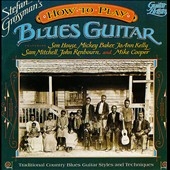
Released during the peak of the mid/late-'60s folk boom, Stefan Grossman's debut, How to Play Blues Guitar, finds a young guitarist paying his respects to the music that inspired him. A student of Reverend Gary Davis (and later Skip James and Mississippi John Hurt among others), Grossman learned his blues from the source. Here, his fluency is proven through a tour of country-blues melodies and themes from standard fare like "Corrina, Corrina" to three James numbers and Grossman originals rooted in the tradition. He is joined by an amicable cast of instrumentalists and vocalists that share the stage on the majority of the material. The most suited of the group is multi-instrumentalist Sam Mitchell who fleshes out Grossman's effortless, syncopated fingerpicking with ever pertinent melodies from his own mandolin, fiddle, and slide guitar. The vocal tracks that make up the bulk of the performances are fine, though rarely more than reverential, ranging from the authentic replications of Jo Ann Kelly to the dry but steady work of Mike Cooper and Mickey Baker. The notable exceptions are the contributions from Delta blues great Son House on "Yonder Come the Blues" and "New Pony Blues." Essentially a remake of "Walking Blues," the former proves that, over 30 years after he made his first recordings, the singer was still capable of wringing new emotions out of a well-worn theme. Occasional instrumentals represent Grossman's early attempts at incorporating the blues vernacular into a six-string style of his own. Though one might not know what to make of a title like "Assassination of John Fahey," the composition finds Grossman closest to achieving those ends. Though the album's 23 performances may fail to cohere as an album per se, they serve as a document of the guitarist's roots while pointing the way to his future explorations. ~ Nathan Bush
録音 : ステレオ (Studio)
読み込み中にエラーが発生しました。
画面をリロードして、再読み込みしてください。