Jazz
CDアルバム

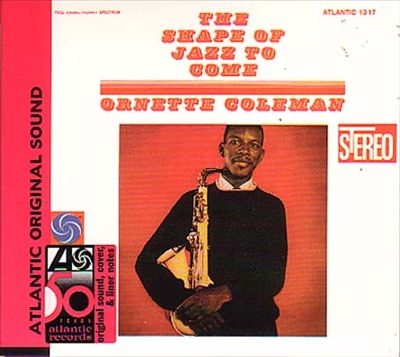
Shape Of Jazz To Come, The [Remaster]

0.0

販売価格

¥
2,190
税込
還元ポイント

販売中

お取り寄せ
発送目安
2日~7日

お取り寄せの商品となります

入荷の見込みがないことが確認された場合や、ご注文後40日前後を経過しても入荷がない場合は、取り寄せ手配を終了し、この商品をキャンセルとさせていただきます。

フォーマット CDアルバム
発売日 1998年10月14日
国内/輸入 輸入
レーベルAtlantic
構成数 1
パッケージ仕様 -
規格品番 812272398
SKU 081227239824

構成数 : 1枚
合計収録時間 : 00:37:59
Personnel: Ornette Coleman (alto saxophone); Don Cherry (cornet); Charlie Haden (bass); Billy Higgins (drums).
Recorded at Radio Recorders, Los Angeles, California on May 22, 1959. Originally released on Atlantic (1317). Includes original release liner notes by Martin Williams.
As the 50s ended, Ornette Coleman became the new herald of the future of jazz, surpassing for a time, even John Coltrane. Intent on feeling and with often scant regard for technique, he plunged headlong into a musical form that defied categorization and dismayed orthodox musicologists. Especially aware of the blues, Coleman eschewed a rigid structure in the music and favoured instead explorations of its poetic content. Free jazz to Coleman and his followers was jazz freed not only from musical restraints but also from sociological and cultural parameters. This album demonstrates his radicalism and his awareness of both past and future jazz.
エディション : Remaster

  1. 1.[CDアルバム]
    1. 1.
      Lonely Woman

      アーティスト: Ornette Coleman

    2. 2.
      Eventually

      アーティスト: Ornette Coleman

    3. 3.
      Peace

      アーティスト: Ornette Coleman

    4. 4.
      Focus On Sanity

      アーティスト: Ornette Coleman

    5. 5.
      Congeniality

      アーティスト: Ornette Coleman

    6. 6.
      Chronology

      アーティスト: Ornette Coleman

作品の情報

メイン
アーティスト: Ornette Coleman

その他
エンジニア: Bones Howe
プロデューサー: Nesuhi Ertegun

オリジナル発売日:1959年

商品の紹介

Mojo - 5 stars out of 5 - "[The music] swings hard, adheres to the theme-solos-theme format and exhibits great wit, beauty and melancholy by turns." Vibe - Included in Vibe's 100 Essential Albums of the 20th Century - "...ground zero of the [free jazz] movement, boasting not only the leader's liberated sax work, but his most famous melody, the immortal 'Lonely Woman'..." Vibe (12/99, p.164) - Included in Vibe's 100 Essential Albums of the 20th Century - "...ground zero of the [free jazz] movement, boasting not only the leader's liberated sax work, but his most famous melody, the immortal 'Lonely Woman'..."
Rovi

As the 50s ended, Ornette Coleman became the new herald of the future of jazz, surpassing for a time, even John Coltrane. Intent on feeling and with often scant regard for technique, he plunged headlong into a musical form that defied categorization and dismayed orthodox musicologists. Especially aware of the blues, Coleman eschewed a rigid structure in the music and favoured instead explorations of its poetic content. Free jazz to Coleman and his followers was jazz freed not only from musical restraints but also from sociological and cultural parameters. This album demonstrates his radicalism and his awareness of both past and future jazz.|
Rovi

Ornette Coleman's Atlantic debut, The Shape of Jazz to Come, was a watershed event in the genesis of avant-garde jazz, profoundly steering its future course and throwing down a gauntlet that some still haven't come to grips with. The record shattered traditional concepts of harmony in jazz, getting rid of not only the piano player but the whole idea of concretely outlined chord changes. The pieces here follow almost no predetermined harmonic structure, which allows Coleman and partner Don Cherry an unprecedented freedom to take the melodies of their solo lines wherever they felt like going in the moment, regardless of what the piece's tonal center had seemed to be. Plus, this was the first time Coleman recorded with a rhythm section -- bassist Charlie Haden and drummer Billy Higgins -- that was loose and open-eared enough to follow his already controversial conception. Coleman's ideals of freedom in jazz made him a feared radical in some quarters; there was much carping about his music flying off in all directions, with little direct relation to the original theme statements. If only those critics could have known how far out things would get in just a few short years; in hindsight, it's hard to see just what the fuss was about, since this is an accessible, frequently swinging record. It's true that Coleman's piercing, wailing alto squeals and vocalized effects weren't much beholden to conventional technique, and that his themes often followed unpredictable courses, and that the group's improvisations were very free-associative. But at this point, Coleman's desire for freedom was directly related to his sense of melody -- which was free-flowing, yes, but still very melodic. Of the individual pieces, the haunting "Lonely Woman" is a stone-cold classic, and "Congeniality" and "Peace" aren't far behind. Any understanding of jazz's avant-garde should begin here. ~ Steve Huey
Rovi

メンバーズレビュー

レビューを書いてみませんか?

読み込み中にエラーが発生しました。

画面をリロードして、再読み込みしてください。