Rock/Pop
CDアルバム

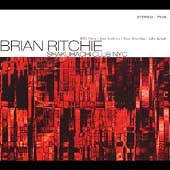
Shakuhachi Club NYC [Digipak]

0.0

販売価格

¥
2,890
税込
還元ポイント

廃盤

在庫状況 について

フォーマット CDアルバム
発売日 1990年06月30日
国内/輸入 輸入
レーベルWeed
構成数 1
パッケージ仕様 -
規格品番 79162
SKU 714288791627

構成数 : 1枚
合計収録時間 : 00:48:41

  1. 1.[CDアルバム]
    1. 1.
      Watazumi's Tea Bowl

      アーティスト: Brian Ritchie

    2. 2.
      Motherless Children

      アーティスト: Brian Ritchie

    3. 3.
      Living Space

      アーティスト: Brian Ritchie

    4. 4.
      Lament

      アーティスト: Brian Ritchie

    5. 5.
      Tvottavisur

      アーティスト: Brian Ritchie

    6. 6.
      Waltz of the Minotaur

      アーティスト: Brian Ritchie

    7. 7.
      Lace Dress

      アーティスト: Brian Ritchie

    8. 8.
      Have No Idea

      アーティスト: Brian Ritchie

    9. 9.
      Change Has Come

      アーティスト: Brian Ritchie

    10. 10.
      Oyster Stomp

      アーティスト: Brian Ritchie

    11. 11.
      Bender

      アーティスト: Brian Ritchie

作品の情報

メイン
アーティスト: Brian Ritchie

商品の紹介

The artist who created this CD would be the first to admit he has a lot to learn -- such is the nature of shakuhachi players, who spend years and years studying the traditional Japanese wooden flute, then describe themselves as mere amateurs. Thus spake Philip Gelb, for example, in a 2004 Signal to Noise interview. In the case of Brian Ritchie, the release of Shakuhachi Club NYC represents much more than just another level in the small pile of solo projects this talented multi-instrumentalist has managed to finish while carrying on with his main job as bassist with the Violent Femmes.
While all of the following is inevitably irrelevant to the enjoyment of Ritchie's recording, it is worth mentioning what a potentially chaotic clash of cultures the lone rock star/mystic shakuhachi player is wandering into. This goes well beyond the private image of the man nonchalantly practicing his shakuhachi on the front lawn of a Holiday Inn in the suburbs of Ann Arbor. The chasm between significant Japanese cultural expression and western pop culture is vast but do-able, as Evel Kneivel would have put it; helping Ritchie make the jump is his repertoire on this recording, a set of pieces that can be lumped together as free jazz from the deeply spiritual era of John Coltrane, Albert Ayler, and so forth. In fact, there are cover versions of pieces by each of these artists included. There are also many original pieces in this style as well as an Icelandic folk song Ritchie learned from a free jazz record from that country.
Practitioners of free jazz such as Ayler and Coltrane were heavily influenced by world music forms such as shakuhachi. The ebb and flow of the intermingling between pop and jazz has been heavily documented and is hard to avoid. Dare it be said as well that with new generations of shakuhachi players emerging from many different cultures, some of them followers of free jazz, that the latter genre is also poised to influence the shakuhachi itself?
Conceptually, everything is in place for a player such as Ritchie to take us on this trip. What actually makes the difference and results in what at least seems like something of a classic recording are Ritchie's production decisions regarding instrumentation and recording technique. The lineup of players immediately brings to mind certain sides on which a fascinating combination of musicians come together, furthermore to document aspects of their playing that are somewhat or even completely unfamiliar. The most important aspect of recordings such as these is that the players meet the challenge, in fact begin to soar as if realizing they were being allowed a bit of immortality.
The shakuhachi maestro's cohorts here include drummer Billy Ficca from Television and banjo-man Tony Trischka, out of which Ritchie already has the nucleus of a fine group. He uses tuba instead of bass, courtesy of Dan Nosheny, and on some of the pieces features an alternate string soloist, mandolinist John Kruth. The sound of the group carries through on the idea of overlapping cultural contrasts, as both string players hint at Arabic music while the tuba keeps reminding them that red beans and rice are on the stove alongside the cous-cous. As a banjoist, Trischka is able to represent both the music of the third world and New Orleans jazz simply by showing up.
Ritchie has the much harder assignment, puffing on an oddly shaped flute that looks like the cane the wicked witch hobbles on in a particularly creepy fairytale. For expressing the thematic material of free jazz, the shakuhachi is ideal: Ritchie's performance of "Living Space" really is one of the best Coltrane covers anyone has ever done. Yet when it comes to the "energy" aspect of this music, the inner sections when everything boils up and wimps run for the exits, the shakuhachi is more like a harmonica than a saxophone. The harder and stronger an experienced reed player blows into his instrument, the louder and fie to be continued...
Rovi

メンバーズレビュー

レビューを書いてみませんか?

読み込み中にエラーが発生しました。

画面をリロードして、再読み込みしてください。