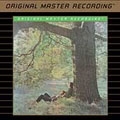
『イマジン』に続くジョン・レノンのゴールド・ディスク第2弾!
タワーレコード(2009/04/08)
olling Stone - 5 Stars (out of 5) - "...every note reverberates....Lennon's singing takes on an expressive specificity that anyone in search of the century's great vocal performances would be foolish to overlook...."
Mojo - "...Exactly what was on his mind....It was, and remains, an extraordinary album. No rock singer could sound as simultaneously warm and as acerbic as Lennon..."
Rolling Stone - Ranked #22 in Rolling Stone's "500 Greatest Albums Of All Time" - "...Lennon's first proper solo album and rock & roll's most self-revelatory recording..."
CMJ - "...an exercise in artistic expression through varying levels of mood and rage..."
NME - 8 out of 10 - "...It's his starkest and best post-Beatles work....This is a lingering, slow-motion peer into the crater of the man's soul..."
Q - Ranked #62 in Q's "100 Greatest British Albums" - "...Suddenly, you can see why Lennon was dissatisfied with the Abbey Road sessions..."
Q - 4 stars out of 5 - "...There is no better solo Lennon or solo Beatles album..."
Uncut - 5 stars out of 5 -- "[T]he most profound and perfectly realised confessional album that rock'n'roll has produced."
Rovi
ontained within is an audiophile gold disc rendering of John Lennon's self-titled John Lennon/Plastic Ono Band (1970). The artist had been involved in a variety of non-Beatles recordings since Unfinished Music, No. 1: Two Virgins (1968). However, this effort can rightfully be considered his first studio album of original music away from the Fab Four. Much of the LP seethes with a palpable, yet almost uncomfortably familiar vibe. Lennon was quick to admit that this approach was a direct result of his confrontational, but emotionally freeing work with Dr. Walter Janov. In fact, he so thoroughly embraced the concept of primal scream therapy that the opening track, "Mother," concludes with a memorable series of harrowing and anguished shrieks of "Mama don't go." Lennon cited both the abandonment of his father and loss of his mother (due to a fatal traffic-related incident) as having created the edgy and often rapier wit that would become the double-edged sword of his personal charm and private pain. This motif of loss actually bookends the long player, with the lo-fi "My Mummy's Dead." This is a stark contrast to "Mother" as Lennon matter-of-factly warbles the single verse sans emotion to the tune of "Three Blind Mice" -- a melody almost inextricably linked to the innocence of childhood. Equally scathing is the hard-nosed epic "Working Class Hero," or the bluesy and appropriately insular "Isolation." "God" is one of Lennon's most creative and honest musical zeniths, with or without the Beatles. The song ranks right up with Bob Dylan's "Like a Rolling Stone" as a no-holds-barred musical exorcism. Then, by stark contrast, John Lennon/Plastic Ono Band also includes "Love." The straightforward message hearkens back to the definitive 1960s sentiment "All You Need Is Love." The uncertainty of "Look at Me" melodically dates back to Lennon's demos for The Beatles (1968) (aka The White Album). In the late '90s, Lennon's widow, Yoko Ono, commissioned a remixed and remastered overhaul of her late husband's solo catalog, and it is the "updated" version that appears here. While enthusiasts and purists intimately familiar with the earliest incarnation will undoubtedly detect the various sonic alterations, the changes do little to diminish the magnitude of the material on John Lennon/Plastic Ono Band. ~ Lindsay Planer|
Rovi